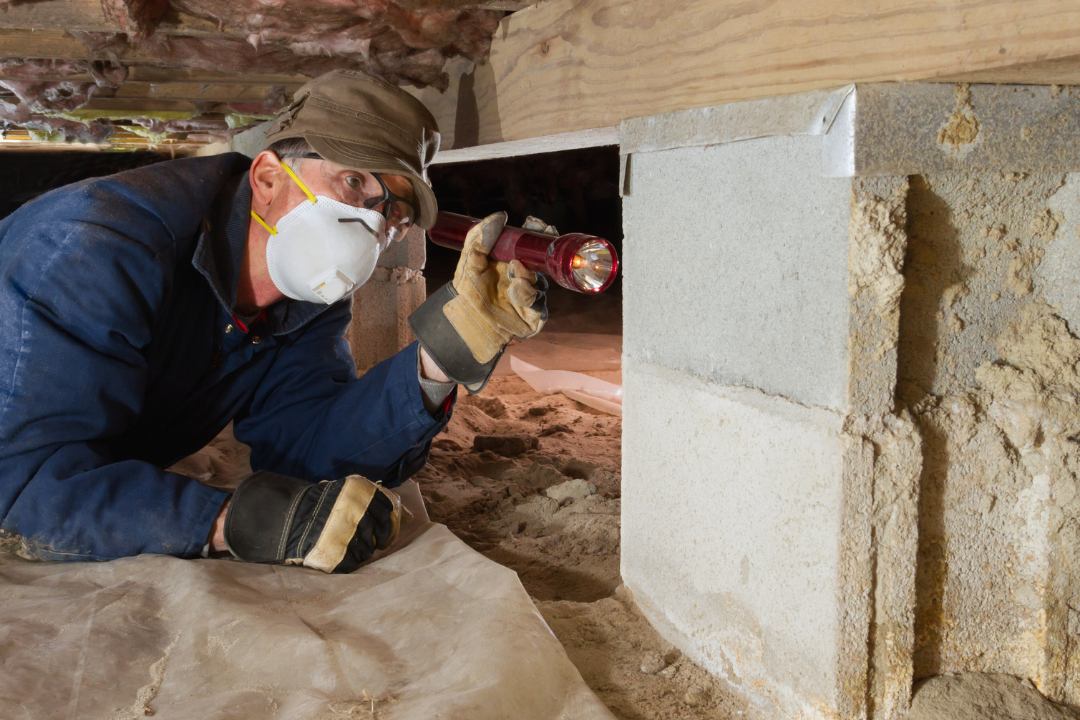
Mold and mildew are common yet serious problems that can arise from an improperly managed crawl space. These unwanted fungi thrive in damp, humid environments, and their presence can lead to structural damage, unpleasant odors, and potential health issues for residents.
Crawl space encapsulation is a proven solution to combat mold and mildew growth. By sealing and insulating this area, encapsulation eliminates the conditions that allow these fungi to flourish. In this article, we’ll explore how crawl space encapsulation prevents mold and mildew, protects your home, and enhances your indoor environment.
What Causes Mold and Mildew in Crawl Spaces?
The Role of Moisture
Moisture is the primary culprit behind mold and mildew growth. When crawl spaces are exposed to groundwater, humidity, or leaks, they create the perfect environment for fungi to thrive. Moist surfaces and high relative humidity levels provide the conditions mold spores need to settle and spread.
Even small amounts of water vapor can accumulate in a poorly ventilated crawl space, leading to persistent dampness. Over time, this moisture can penetrate wooden structures, insulation, and other materials, making them susceptible to fungal growth.
Lack of Proper Ventilation
In many older homes, crawl spaces are ventilated to the outside air. While this was once thought to help with moisture control, it often worsens the problem. During humid seasons, outside air can carry moisture into the crawl space, raising humidity levels and promoting mold growth.
Encapsulation eliminates this issue by sealing off the crawl space from external air, maintaining a controlled and dry environment.
How Crawl Space Encapsulation Prevents Mold and Mildew
1. Eliminates Moisture Intrusion
Crawl space encapsulation involves the installation of a vapor barrier, which is a durable, thick plastic sheet that covers the crawl space floor and walls. This barrier prevents moisture from seeping in through the ground or foundation. Epic Spray Foam, a trusted provider of crawl space encapsulation services, ensures that this protective barrier is expertly installed to create a comprehensive shield against water vapor. By effectively stopping dampness, this solution minimizes the risk of mold and mildew growth, making it particularly beneficial in regions with high groundwater levels or frequent rain.
2. Controls Humidity Levels
Encapsulation often includes the installation of a dehumidifier to regulate moisture levels in the air. Maintaining humidity below 60% is critical to preventing mold growth.
A dehumidifier ensures that even residual moisture or condensation is addressed, creating an environment that is inhospitable to mold spores. This controlled humidity level protects not only the crawl space but also the air quality in your living areas.
Benefits of Preventing Mold and Mildew with Encapsulation
1. Improved Air Quality
Mold releases microscopic spores into the air, which can travel into your home and affect indoor air quality. These spores can trigger allergies, asthma, and other respiratory problems, especially in sensitive individuals.
By preventing mold growth in the crawl space, encapsulation ensures cleaner, healthier air throughout your home. This is a significant benefit for families with young children, elderly residents, or anyone with existing health conditions.
2. Protects Structural Integrity
Mold and mildew can cause wood, drywall, and insulation to deteriorate over time. This not only weakens the structural components of your home but also leads to costly repairs.
Encapsulation protects these materials by keeping them dry and free from fungal growth. This proactive measure extends the lifespan of your home’s foundation and minimizes long-term maintenance expenses.
Steps to Prevent Mold and Mildew with Crawl Space Encapsulation
Step 1: Remove Existing Mold and Moisture
Before encapsulation begins, any existing mold or mildew must be addressed. Professionals typically clean the crawl space and treat affected areas with anti-fungal solutions.
It’s also crucial to repair any sources of water intrusion, such as leaks or drainage issues, to prevent future moisture buildup.
Step 2: Install a Vapor Barrier
A heavy-duty vapor barrier is applied to the crawl space floor and walls, creating a sealed environment that blocks moisture from entering.
This barrier is typically reinforced to ensure durability and long-term performance, even in areas prone to high moisture levels.
Step 3: Add Insulation and Seal Air Leaks
Insulating the crawl space walls and sealing gaps prevents outside air from introducing moisture. Spray foam or rigid foam insulation is commonly used for this purpose, as it provides both thermal and moisture resistance.
Step 4: Incorporate a Dehumidifier
In areas with consistently high humidity, a dehumidifier is installed to keep the air dry. This ensures that any residual moisture is promptly removed, preventing the conditions needed for mold growth.
Why Mold and Mildew Prevention Matters
Health Risks of Mold Exposure
Mold and mildew release spores that can cause a range of health issues, including:
- Allergies and respiratory problems.
- Sinus congestion and coughing.
- Aggravation of asthma symptoms.
Encapsulation protects your family from these risks by creating a mold-free environment.
Financial Implications
Unchecked mold growth can lead to costly repairs, including replacing damaged insulation, flooring, and structural components. Encapsulation eliminates this risk, saving homeowners significant money in the long run.
Conclusion
Crawl space encapsulation is one of the most effective methods for preventing mold and mildew in your home. By eliminating moisture intrusion, controlling humidity, and sealing off the crawl space, encapsulation ensures a dry and healthy environment beneath your home.
Not only does this process protect your home’s structural integrity, but it also improves indoor air quality and safeguards your family’s health. If you’re looking to prevent mold and mildew while enhancing the overall comfort and value of your property, crawl space encapsulation is a solution worth considering.
 People Speak