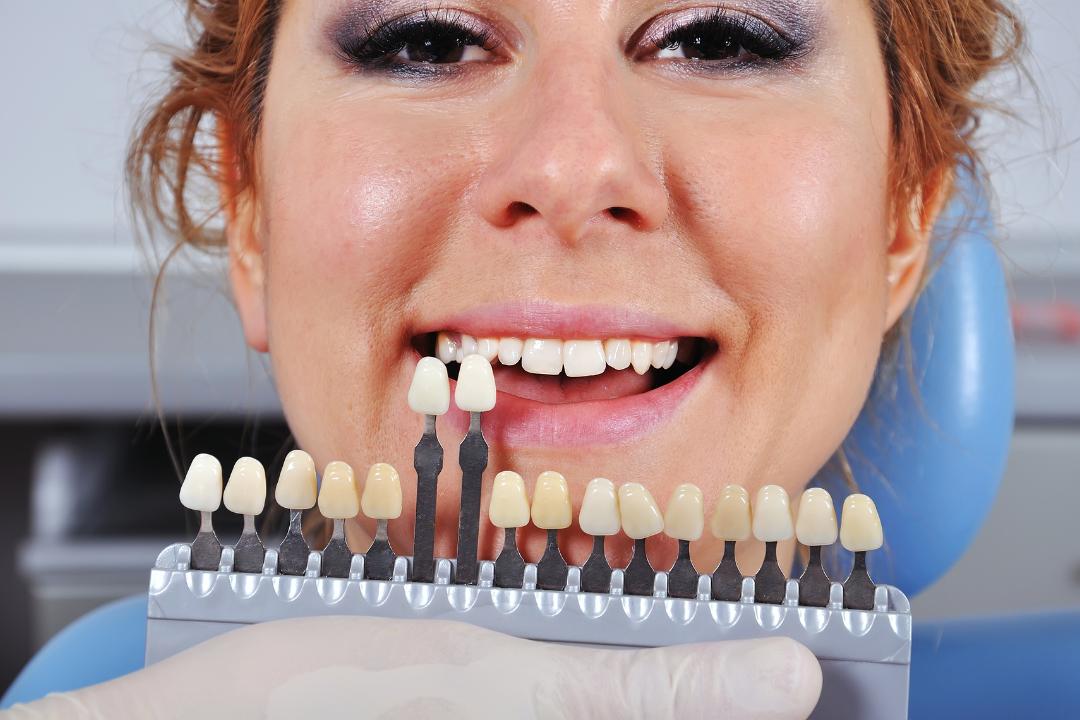
Dental veneers are often regarded as a cosmetic procedure designed to enhance the appearance of teeth. However, in some cases, veneers can go beyond aesthetics and become a medical necessity. When oral health or functionality is compromised, veneers may play a crucial role in restoring a patient’s dental well-being.
This article explores the scenarios in which dental veneers are considered medically necessary, highlighting the conditions, benefits, and considerations involved in making this decision.
What Are Dental Veneers?
Dental veneers are thin, custom-made shells made of porcelain or composite resin that cover the front surface of teeth. They are used to improve the appearance, functionality, and structure of teeth. While veneers are commonly chosen for cosmetic reasons, they can also serve functional purposes, such as protecting damaged teeth or restoring oral health.
When Are Dental Veneers Medically Necessary?
1. Severe Tooth Damage
eeth that are significantly chipped, cracked, or worn down due to trauma or bruxism (teeth grinding) may require veneers to restore their structure and functionality. In such cases, veneers act as a protective layer, preventing further damage while improving the tooth’s strength and appearance. These issues, if left untreated, can lead to more severe dental complications, such as infections or even tooth loss. Veneers are not only a cosmetic solution but also an essential treatment for maintaining oral health.
If you are considering veneers for damaged teeth, Veneers by Hesed Dental offers a tailored approach to restoring your smile. Hesed Dental is renowned for providing high-quality dental care and specializes in veneer treatments designed to meet both medical and aesthetic needs. With their expertise, you can achieve durable and natural-looking results that enhance your oral health and confidence.
2. Enamel Erosion
Enamel erosion, caused by acidic foods, beverages, or medical conditions like acid reflux, can leave teeth vulnerable to sensitivity and decay. Veneers can replace the lost enamel, shielding the teeth from further wear and enhancing their durability.
3. Irregular Tooth Shape or Size
Teeth with irregular shapes or sizes may cause issues with chewing or speaking. Veneers can correct these irregularities, ensuring that the teeth function properly while improving their appearance.
4. Permanent Discoloration
In some cases, teeth become permanently discolored due to medications (e.g., tetracycline), fluorosis, or trauma. When whitening treatments are ineffective, veneers can provide a uniform and natural-looking solution.
5. Closing Large Gaps or Minor Misalignments
While orthodontics is the preferred treatment for severe alignment issues, veneers can address minor gaps or misalignments when they interfere with biting or chewing.
6. Protection After Root Canal Treatment
Teeth that undergo root canal treatment often become brittle and prone to fractures. Veneers can provide additional strength and protection, reducing the risk of further damage.
How to Determine Medical Necessity
1. Professional Evaluation
A dentist or prosthodontist must evaluate the condition of the teeth to determine if veneers are the best solution. Factors like the extent of damage, oral health history, and functionality issues are carefully considered.
2. Insurance Coverage
In cases of medical necessity, dental insurance may cover part of the cost of veneers. Documentation from the dentist, including X-rays and a detailed report of the condition, is often required to justify coverage.
Benefits of Veneers as a Medical Solution
1. Restored Functionality
Medically necessary veneers improve the ability to bite, chew, and speak effectively, enhancing the patient’s overall quality of life.
2. Preventive Care
Veneers protect weakened teeth from further damage or decay, helping to maintain oral health in the long term.
3. Durable and Long-Lasting
High-quality veneers can last 10–15 years or longer with proper care, making them a reliable solution for medical dental issues.
4. Aesthetic and Functional Improvement
While the primary focus may be functionality, veneers also enhance the appearance of teeth, boosting the patient’s confidence.
Potential Risks and Considerations
1. Irreversibility
The process of placing veneers involves removing a small amount of enamel, making the procedure irreversible.
2. Cost
Even when medically necessary, veneers can be expensive. It’s important to explore insurance options and payment plans.
3. Maintenance
Veneers require good oral hygiene practices and regular dental visits to ensure their longevity.
4. Alternative Solutions
In some cases, alternatives like crowns, bonding, or orthodontics may be more suitable, depending on the severity of the condition.
Steps to Take If You Believe Veneers Are Medically Necessary
1. Consult a Dental Professional
Schedule an appointment with a dentist to assess the condition of your teeth and discuss whether veneers are the right option.
2. Gather Documentation
If insurance coverage is a factor, work with your dentist to gather the necessary documentation, including diagnostic reports and images.
3. Explore Payment Options
Discuss payment plans or financing options with your dental provider if insurance does not cover the procedure fully.
4. Focus on Oral Hygiene
Ensure that your teeth and gums are healthy enough to support veneers by maintaining excellent oral hygiene practices.
Conclusion
Dental veneers can transition from being a cosmetic solution to a medical necessity when oral health, tooth functionality, or structural integrity is at risk. From repairing damaged teeth to addressing severe enamel erosion, veneers offer a versatile and effective solution for restoring dental health.
If you suspect veneers may be medically necessary for your dental condition, consult a qualified dental professional to explore your options. With the right approach, veneers can provide both functional benefits and a renewed sense of confidence in your smile.
 People Speak