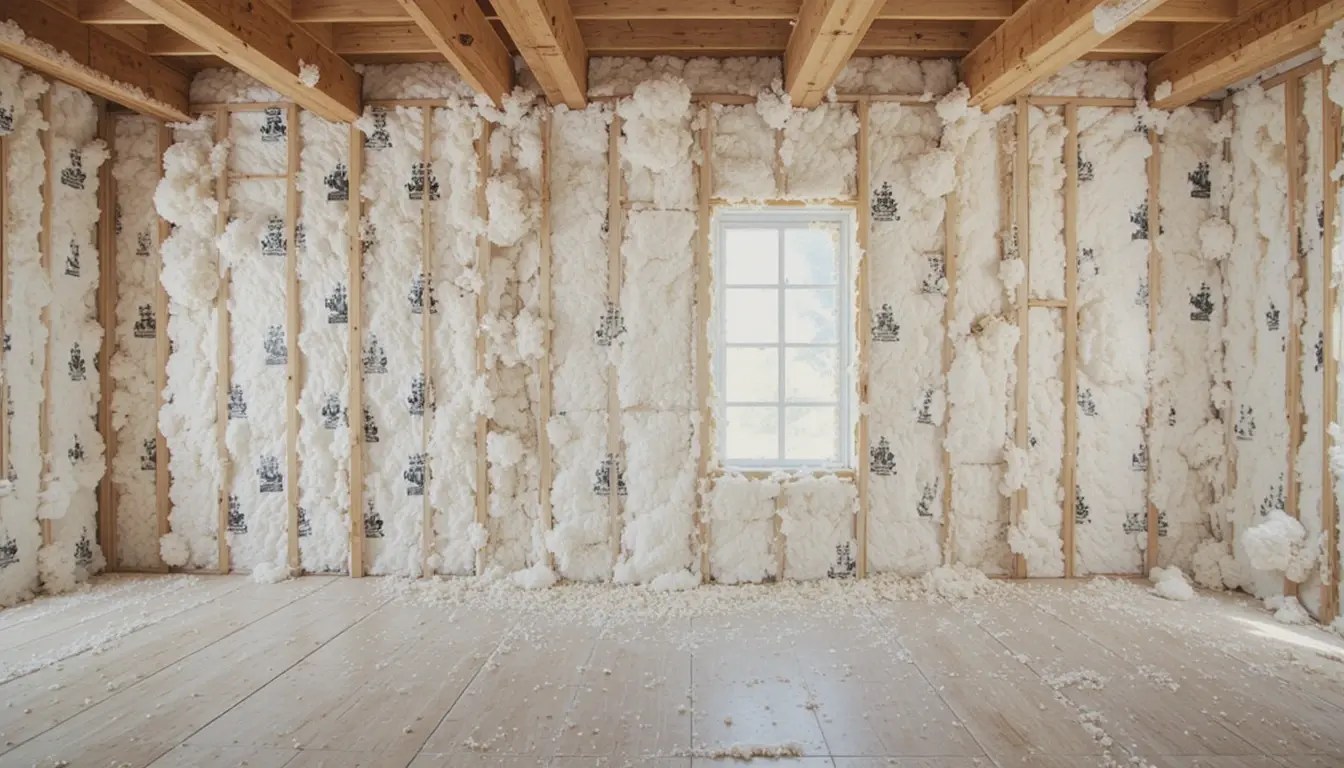
Homeowners everywhere look for affordable ways to make their homes more comfortable while reducing energy bills. One highly efficient solution is blown-in fiberglass insulation. This method increases energy efficiency and enhances indoor comfort while remaining an easy installation option for home improvement enthusiasts.
Whether you’re a seasoned DIYer or simply exploring insulation options for your home, this guide will explain how blown-in fiberglass insulation works, its energy-saving benefits, and how you can incorporate it into your own home improvement projects.
What is Blown-In Fiberglass Insulation?
Blown-in fiberglass insulation is a type of loose-fill insulation made from fine glass fibers. These fibers are blown through a hose into wall cavities, attics, or floors using specialized equipment. The result is seamless coverage even in hard-to-reach areas.
Unlike traditional batt insulation, which comes in pre-cut rolls, blown-in fiberglass forms a uniform layer of insulation. This helps minimize gaps, preventing heat transfer and improving overall energy efficiency. Learn more about the Blown-in fiberglass insulation from this website: https://epicsprayfoam.com/services/blown-in-fiberglass-insulation/
The Advantages of Blown-In Fiberglass Insulation
Adding blown-in fiberglass insulation to your home brings several key advantages, particularly for energy efficiency and overall comfort.
1. Enhanced Energy Efficiency
- Reduces Heat Loss: Blown-in fiberglass insulation limits heat transfer by filling gaps, cracks, and irregular surfaces. This prevents warm air in winter or cool air in summer from escaping your home.
- Lowers Energy Bills: By maintaining indoor temperatures, your HVAC system doesn’t need to work as hard, reducing energy consumption and lowering utility bills. The U.S. Department of Energy highlights significant savings for properly insulated homes.
2. Comprehensive Coverage
- The loose-fill nature of blown-in fiberglass insulation provides complete coverage, even in places batt insulation can’t reach. This includes around pipes, wires, and other obstacles found in walls or attics.
3. Mold and Moisture Resistance
- Fiberglass insulation does not absorb moisture, reducing the risk of mold growth. This helps protect both your home’s structure and indoor air quality.
4. Fire Resistance
- Fiberglass is inherently fire-resistant, giving your home an additional layer of safety in the event of an emergency.
5. Eco-Friendly Benefits
- Many blown-in fiberglass products contain a portion of recycled glass, making them an environmentally-conscious choice for homeowners.
Where Can You Use Blown-In Fiberglass Insulation?
Blown-in fiberglass insulation is versatile and can be installed in various areas of your home to enhance energy efficiency.
Attics
- Properly insulating your attic can drastically reduce heat loss through the roof, which is one of the primary sources of energy waste in most homes. The seamless application of blown-in fiberglass ensures no space is left uncovered.
Walls
- For retrofitting older homes, blown-in fiberglass can be installed into existing walls without the need for major construction. Small holes are drilled for the hose, and they are patched afterward.
Floors
- Adding insulation to floors above unheated spaces like garages or crawl spaces eliminates drafts and keeps indoor spaces warmer in the winter.
Hard-to-Reach Areas
- Tight corners, crevices, and irregularly-shaped spaces are easily insulated with this method, providing a level of precision that traditional insulation methods can’t match.
Step-by-Step Guide to Installing Blown-In Fiberglass Insulation
Wondering if you can tackle this as a DIY project? While professional installation is recommended for large areas, you can handle small spaces on your own with the right tools and preparation.
Step 1: Measure the Area
- Calculate the square footage of the space you need to insulate. This determines how much fiberglass material you’ll need. Most insulation suppliers indicate the coverage capacity on product packaging.
Step 2: Gather Tools and Equipment
You’ll need tools such as:
- A blowing machine (available for rental)
- A flexible hose
- Safety gear (dust mask, gloves, eye protection, long sleeves)
- A utility knife for trimming materials
Step 3: Prepare the Space
- Clear the work area of debris, and ensure all surfaces are dry. Seal any large cracks or gaps with caulk before starting the insulation process.
Step 4: Load the Machine
- Feed the fiberglass material into the blowing machine. Ensure the machine is securely set up for safe operation.
Step 5: Begin Installation
- Direct the hose to fill cavities evenly, starting at one end and working your way across the area. Use steady, even movements to ensure proper distribution.
Step 6: Check Insulation Depth
- Periodically measure the depth of the insulation to ensure even coverage and that you’re meeting recommended R-value requirements for your region.
Frequently Asked Questions About Blown-In Fiberglass Insulation
How Much Does Blown-In Fiberglass Insulation Cost?
The cost depends on the size of your space and whether you choose DIY or professional installation. On average, expect to pay $1-$1.50 per square foot for materials and equipment rental.
What is the R-Value of Blown-In Fiberglass Insulation?
R-value measures insulation’s resistance to heat flow. Blown-in fiberglass typically has an R-value of approximately 2.5 to 4.0 per inch, depending on density.
How Long Does Blown-In Fiberglass Insulation Last?
Fiberglass insulation is long-lasting and can remain effective for decades with proper installation and minimal disturbance.
Can I Add More Insulation Over Existing Fiberglass?
Yes, you can install additional layers of blown-in fiberglass over existing insulation to increase R-value and energy efficiency, provided the existing material is dry and in good condition.
Maximize Your Home’s Energy Efficiency Today
Blown-in fiberglass insulation is an effective, budget-friendly way to improve your home’s energy efficiency. Whether you’re tackling this as a DIY project or working with professionals, the benefits from lower energy bills to enhanced indoor comfort make it a worthy investment for any homeowner.
If you’re ready for a more energy-efficient home that stays cozy year-round, consider blown-in fiberglass insulation for your next project.
 People Speak