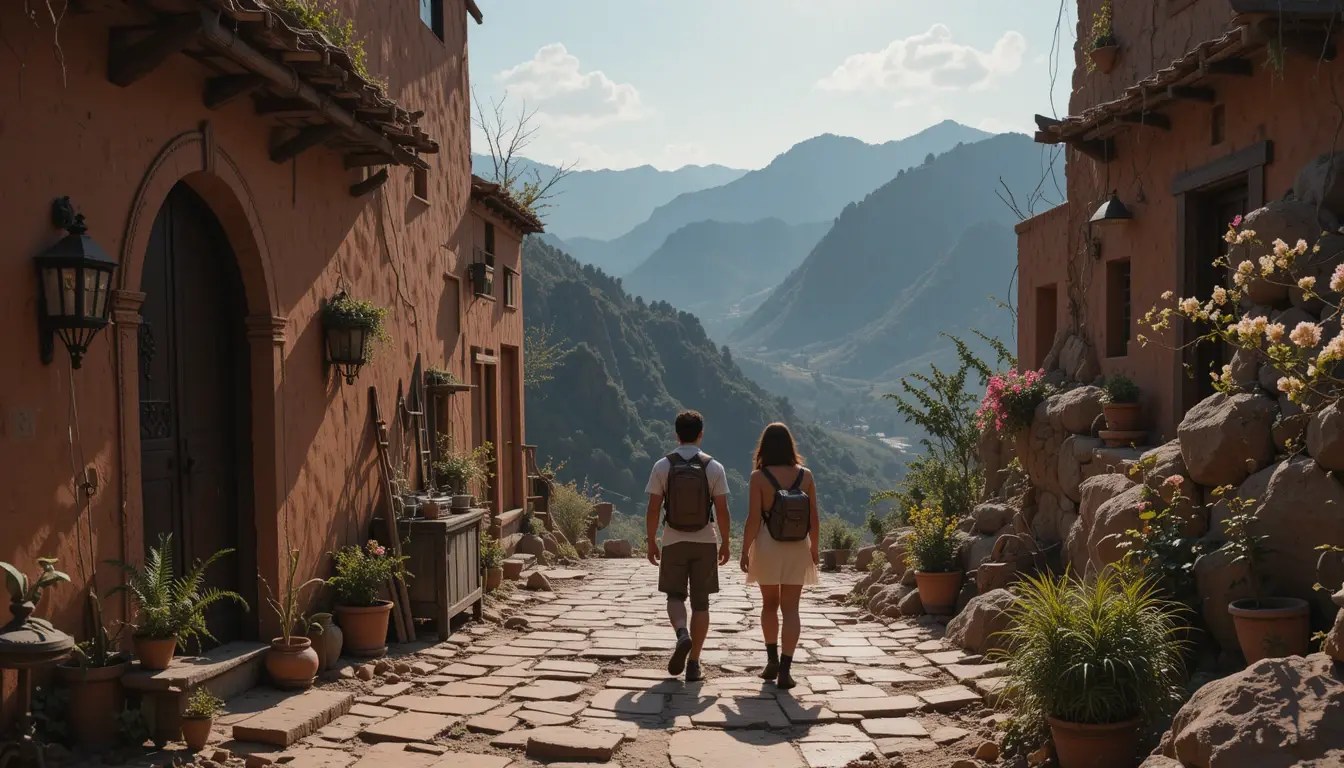
Morocco offers diverse landscapes, rich history, and unique cultural experiences. Travelers can explore bustling markets, ancient cities, and scenic deserts. Planning a trip well ensures a smooth and enjoyable experience.
Visitors should prepare by learning about local customs, choosing the right travel season, and organizing transportation. Morocco has various attractions, from the Atlas Mountains to the Sahara Desert. Understanding travel options, safety measures, and cultural expectations helps visitors maximize their trip.
1. Choosing the Best Time to Visit
Weather Considerations
Morocco has different climates depending on the region. Summers are hot, especially in desert areas. Coastal cities like Casablanca and Essaouira remain cooler. Spring (March to May) and autumn (September to November) offer comfortable temperatures for travel.
Winter months (December to February) bring cooler weather, especially in mountainous areas. Snowfall occurs in the Atlas Mountains, making it an option for winter sports. Travelers should consider the climate of their planned destinations before booking a trip.
Peak and Off-Peak Seasons
High tourist seasons occur in spring and autumn when temperatures are pleasant, making it the perfect time to explore the region’s breathtaking landscapes. During these months, popular sites may be crowded, and prices for accommodations tend to rise due to increased demand. However, the lively atmosphere and ideal weather conditions make it an excellent choice for travelers seeking the best experience. On the other hand, off-peak seasons, such as summer and winter, offer fewer crowds and lower costs, but the weather can be extreme, requiring visitors to plan accordingly.
Choosing between peak and off-peak seasons depends on personal preferences. Those seeking a peaceful and immersive experience may prefer traveling during the offseason when they can explore destinations at a relaxed pace. If you’re planning a trip to the stunning desert landscapes of Algeria, Adrar EcoTours provides expertly guided tours that allow you to discover the region’s beauty while ensuring a sustainable and responsible travel experience. Whether you prefer the vibrant energy of peak seasons or the solitude of the offseason, understanding the best time to visit will enhance your overall journey.
2. Exploring Moroccan Cities
Marrakech
Marrakech is known for its markets, historic sites, and gardens. Jemaa el-Fnaa, the main square, has food stalls, street performers, and local vendors. Visitors can explore the Medina, a UNESCO-listed old city with narrow streets and traditional shops.
Other key attractions include the Bahia Palace, Koutoubia Mosque, and Majorelle Garden. Marrakech offers a mix of history and modern experiences. Travelers should set aside time to visit souks, where they can buy spices, textiles, and handcrafted goods.
Fes
Fes is home to one of the world’s oldest universities and a well-preserved Medina. The narrow alleys of Fes el-Bali lead to mosques, workshops, and traditional markets. The city is famous for its leather tanneries, where visitors can see how leather is dyed using ancient methods.
The Al-Qarawiyyin Mosque and University are significant sites in Fes. This city is ideal for those who enjoy historical exploration. Walking tours help visitors navigate the Medina, which can be overwhelming due to its complex layout.
Chefchaouen
Chefchaouen is known for its blue-painted streets and mountain views. Located in the Rif Mountains, the city provides a peaceful atmosphere. Many visitors enjoy walking through the blue alleys, taking photographs, and visiting local cafes.
Hiking options are available in the surrounding hills. The nearby Akchour Waterfalls offer scenic trails. Chefchaouen is a good place for travelers looking for a slower-paced experience.
3. Visiting the Sahara Desert
Camel Trekking and Camping
The Sahara Desert is a key attraction in Morocco. Many travelers take guided camel treks to explore the sand dunes. Merzouga and Zagora are popular starting points for desert tours.
Overnight stays in desert camps provide an opportunity to see clear night skies and enjoy traditional Berber music. Some camps offer luxury tents with comfortable beds and meals. The experience allows visitors to appreciate the vast and quiet landscape.
Choosing a Desert Tour
Tour options vary in duration and comfort level. Some tours last one night, while others span several days. Travelers should choose tours based on their time and budget.
Longer tours may include visits to nearby villages, oases, and historic kasbahs. Booking through a reputable tour operator ensures safety and a well-organized trip.
4. Experiencing Moroccan Cuisine
Traditional Dishes
Moroccan food includes tagine, couscous, and pastilla. Tagine is a slow-cooked stew with meat, vegetables, and spices. Couscous is a staple dish often served with vegetables and lamb or chicken. Pastilla is a flaky pastry filled with spiced meat and almonds.
Street food options include grilled meats, fresh juices, and harira soup. Markets and food stalls provide opportunities to try local flavors. Visitors should explore both restaurant dining and casual street food experiences.
Best Places to Eat
Major cities have both high-end restaurants and traditional eateries. In Marrakech, visitors can try food at Jemaa el-Fnaa’s night market. In Fes, local restaurants serve authentic dishes in traditional settings.
Some riads, or traditional Moroccan houses, offer home-cooked meals for guests. This provides a more personal dining experience. Trying food in different settings helps visitors appreciate the variety of Moroccan cuisine.
5. Navigating Transportation in Morocco
Public Transport Options
Morocco has a network of trains, buses, and taxis. Trains connect major cities like Casablanca, Rabat, Marrakech, and Fes. They offer a comfortable and affordable way to travel long distances.
Buses provide transport to towns not connected by train. CTM and Supratours are reliable bus companies. Local buses exist but may be crowded and less reliable for tourists.
Renting a Car or Hiring a Driver
Renting a car is an option for those wanting flexibility. Roads between cities are well-maintained, but driving in busy areas like Marrakech can be challenging. Hiring a private driver is a convenient alternative.
For short distances, taxis and ride-hailing apps like Careem operate in urban areas. Visitors should agree on taxi fares before starting a ride, as not all taxis use meters.
6. Understanding Local Customs and Etiquette
Cultural Considerations
Morocco has a mix of cultural influences, including Arab, Berber, and French traditions. Respecting local customs enhances the travel experience. Modest clothing is advisable, especially in rural areas and religious sites.
Public displays of affection are uncommon. Greeting locals with a handshake or a simple nod is appropriate. Learning basic Arabic or French phrases can be helpful when communicating with locals.
Shopping and Bargaining
Markets, or souks, are common in Moroccan cities. Vendors expect customers to negotiate prices. Bargaining is part of the shopping experience and is done respectfully.
Visitors should compare prices at different stalls before making purchases. Common items sold in souks include carpets, spices, ceramics, and leather goods. Paying in local currency, Moroccan dirhams, is standard practice.
7. Staying Safe and Healthy
Health Precautions
Travelers should drink bottled or filtered water to avoid stomach issues. Eating at reputable restaurants reduces the risk of food-related illnesses. Carrying basic medications for digestive discomfort is recommended.
Morocco has pharmacies in major cities where travelers can buy common medicines. Health clinics and hospitals provide medical services if needed.
Safety Tips
Morocco is generally safe for tourists, but caution is necessary in crowded places. Pickpocketing can occur in busy markets. Keeping valuables secure reduces the risk of theft.
Solo travelers, especially women, may experience unwanted attention. Dressing conservatively and staying in well-populated areas increases safety. Guided tours and group travel can provide additional security.
Conclusion
Morocco offers a variety of travel experiences, from historical cities to desert landscapes. Planning ahead ensures a smooth trip. Choosing the best season, exploring different regions, and understanding local customs enhance the travel experience.
Visitors can enjoy Moroccan food, explore cultural sites, and engage in outdoor activities. Using reliable transportation and following safety tips makes travel easier. With proper preparation, a trip to Morocco can be both enjoyable and memorable.
 People Speak