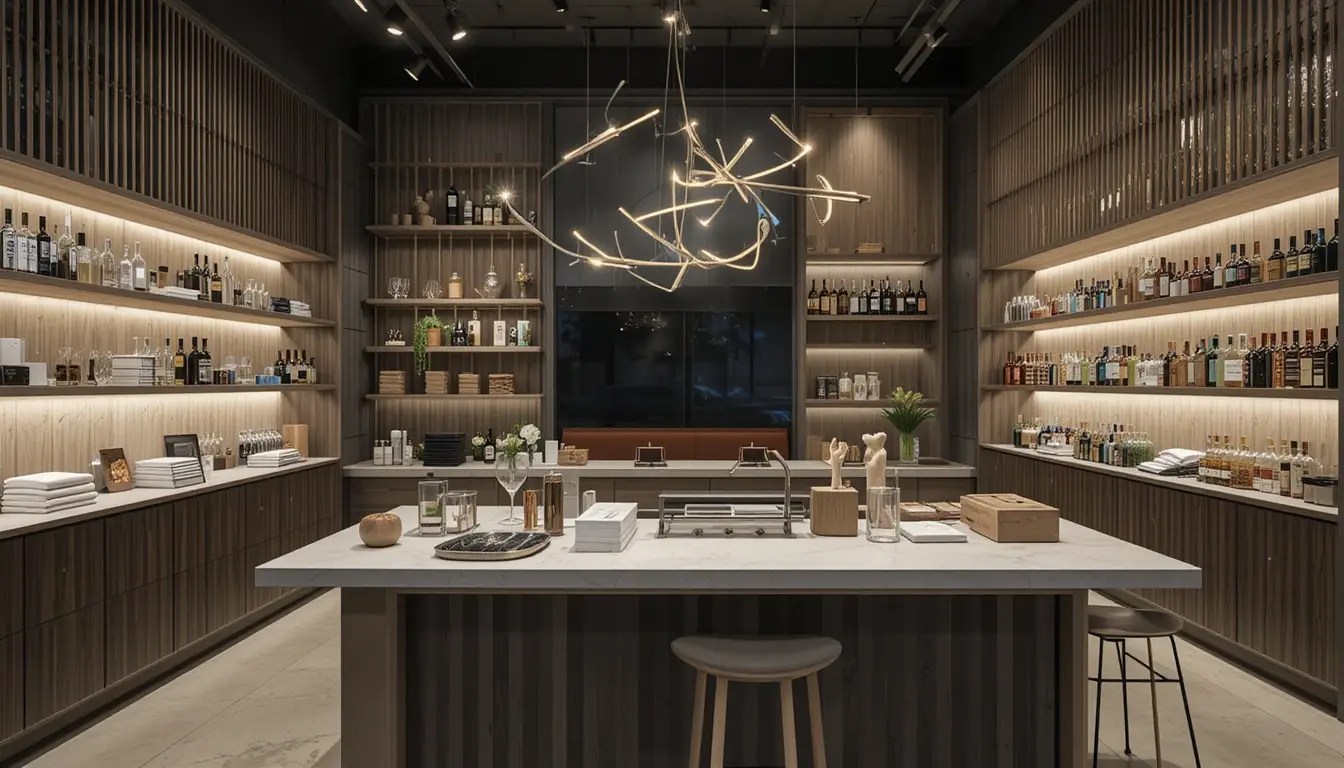
Retail spaces in Sydney need strong design elements to attract customers. A well-designed store improves customer experience and increases sales. Layout, lighting, and branding play key roles in creating an appealing space.
Businesses must balance aesthetics and functionality. A store should be visually attractive and easy to navigate. Smart design choices help retailers stand out in a competitive market.
Creating an Effective Store Layout
Maximizing Space for Customer Flow
An efficient layout guides customers through the store. Wide aisles and clear pathways allow easy movement. Strategic product placement encourages exploration and increases purchases.
Retailers should avoid clutter. Overcrowded spaces feel overwhelming. Organized displays create a pleasant shopping experience. Customers should find products easily without confusion.
Choosing the Right Floor Plan
Different stores require different layouts. Grid layouts suit supermarkets and pharmacies. They create an organized structure for high-traffic areas. Free-flow layouts work well for boutique stores. They encourage browsing and product discovery.
A well-planned layout ensures a logical arrangement of products. Best-selling and seasonal items should be placed in high-visibility areas. Placing impulse-buy products near the checkout counter increases sales.
Enhancing the Store with Proper Lighting
Setting the Right Mood
Lighting plays a crucial role in shaping customer perception and influencing shopping behavior. Bright, clear lighting is ideal for grocery stores, pharmacies, and convenience stores as it enhances visibility and makes it easier for customers to locate products. On the other hand, warm, ambient lighting is more suitable for clothing boutiques, cafes, and lifestyle stores, where creating a cozy and inviting atmosphere is essential. The right lighting choice not only improves the overall shopping experience but also helps reinforce the brand’s identity and appeal.
When planning a commercial space, it’s essential to consider how all elements lighting, layout, and design work together to create a cohesive environment. High-quality retail fitouts by Shafbuild ensure that every detail, from strategic lighting placement to functional space utilization, is tailored to enhance customer engagement. A well-lit, thoughtfully designed store highlights key product areas, draws attention to promotional displays, and keeps shoppers comfortable, ultimately encouraging longer visits and increased sales. Shafbuild’s expertise in delivering customized fitout solutions across Sydney allows businesses to stand out in a competitive market while providing customers with a seamless retail experience.
Using Accent and Task Lighting
Accent lighting draws attention to featured products. Spotlights and LED strips highlight promotions and new arrivals. Task lighting improves functionality. It helps employees at checkout counters and workstations.
Layered lighting improves aesthetics. A mix of ambient, accent, and task lighting enhances the overall shopping experience.
Selecting Durable and Stylish Materials
Choosing Flooring That Matches Store Needs
Retail flooring should be durable and stylish. High-traffic stores need sturdy materials like tiles or vinyl. Boutique shops can use wooden or polished concrete floors for a premium look.
Slip-resistant and easy-to-clean flooring improves safety and maintenance. The right flooring choice complements the store’s overall theme.
Investing in Quality Shelving and Displays
Shelving should be strong and adjustable. Metal and wood shelves offer durability and style. Displays should match the store’s branding and create a cohesive look.
Flexible display units allow easy rearrangement. Modular shelving systems adapt to seasonal changes and promotions.
Branding and Visual Identity
Creating a Strong First Impression
A store’s entrance sets the tone for customer experience. Eye-catching signage and window displays attract attention. Clear and simple signage helps customers identify the brand quickly.
Brand colors and logos should be consistent throughout the store. A unified look strengthens brand recognition.
Using Graphics and Signage Effectively
Informational signage helps customers navigate the store. Directional signs guide them to different sections. Promotional signs highlight sales and discounts.
High-quality graphics enhance store appeal. Digital screens display dynamic content and engage customers. Well-placed signs improve communication without overwhelming shoppers.
Optimizing Checkout and Service Areas
Designing an Efficient Checkout Counter
The checkout area should be easy to access. A well-organized counter speeds up transactions. Customers should have a clear path to the payment area without obstruction.
Stores should offer multiple payment options. Contactless payments and self-checkout kiosks improve efficiency. Fast service enhances customer satisfaction.
Providing Comfortable Waiting Areas
Seating areas improve customer comfort. Shoppers waiting for services, such as fitting rooms or consultations, appreciate seating. Well-placed chairs and benches create a relaxed shopping experience.
Retailers can use waiting areas for additional sales. Placing small, high-demand products nearby encourages impulse purchases.
Incorporating Technology for a Modern Experience
Using Digital Displays and Smart Shelves
Digital screens provide real-time updates on promotions. Interactive kiosks offer product information and recommendations. Smart shelves detect stock levels and alert staff for restocking.
Technology enhances engagement. Customers appreciate easy access to information through digital solutions.
Offering an Omnichannel Shopping Experience
Many customers research online before visiting a store. Retailers should integrate online and offline shopping. Click-and-collect services and mobile payment options improve convenience.
QR codes on product displays provide instant access to reviews and specifications. Seamless integration between physical and digital shopping improves customer experience.
Sustainability and Eco-Friendly Design
Using Energy-Efficient Fixtures
LED lighting reduces electricity consumption. Energy-efficient appliances lower operational costs. Automated lighting systems adjust brightness based on occupancy.
Sustainable choices benefit both businesses and the environment. Customers appreciate brands that prioritize eco-friendly practices.
Choosing Recycled and Sustainable Materials
Eco-friendly materials reduce environmental impact. Recycled wood, reclaimed metal, and biodegradable packaging create a responsible brand image.
Green building certifications improve credibility. Stores designed with sustainability in mind attract environmentally conscious shoppers.
Conclusion
A standout retail space in Sydney combines function, aesthetics, and branding. A well-planned layout, proper lighting, and strong visual identity attract customers. Technology and sustainability improve efficiency and appeal.
Retailers should focus on customer experience. Thoughtful design choices increase sales and brand loyalty. A well-designed store creates a lasting impression and ensures business success.
 People Speak