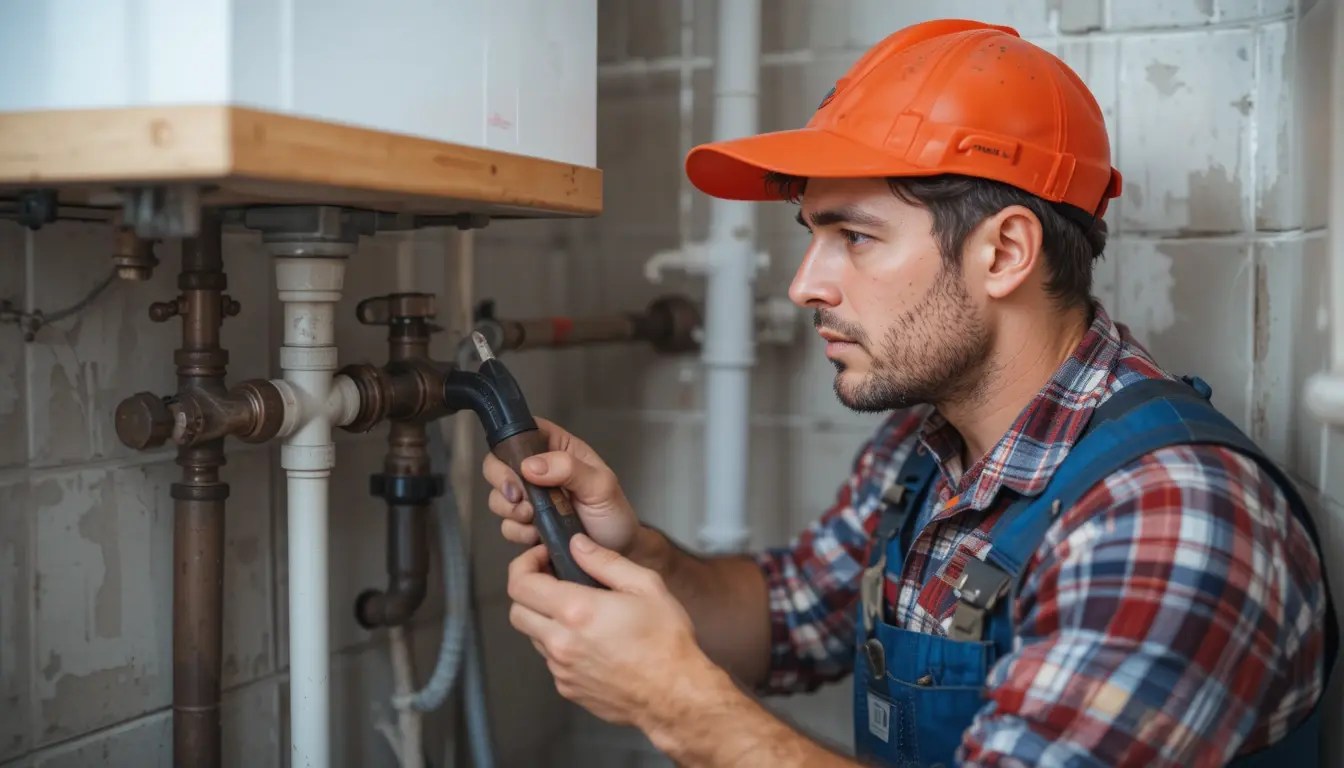
Cold weather increases the risk of plumbing issues in homes and buildings. Water freezes when temperatures drop, and this can block or damage pipes. Many people face plumbing problems during winter. These problems need quick attention to prevent bigger damage.
Plumbing services become more important during cold months. They help fix frozen pipes, leaks, and broken systems. Homeowners should understand why these issues happen and how to prevent them.
How Cold Weather Affects Pipes
Freezing Temperatures Cause Pipes to Freeze
Water expands when it freezes, and this expansion creates intense pressure inside pipes. As the pressure builds, it can lead to a sudden pipe burst, especially in uninsulated or exposed areas like outdoor lines or unheated basements. These incidents are more common during colder months but can happen anytime if pipes are poorly maintained. Preventive measures like pipe insulation and regular maintenance checks can help reduce the risk significantly.
When a pipe bursts, it can quickly flood your home, causing extensive water damage to walls, flooring, and personal belongings. Immediate repair is crucial to prevent further structural issues and mold growth. Engaging a reliable Plumber Singapore ensures that such emergencies are handled promptly and effectively. In a city where property damage can quickly escalate in cost, having access to experienced plumbing professionals can make all the difference in minimizing disruption and restoring normalcy.
Older Pipes Break More Easily
Old pipes are weaker. Cold temperatures put more stress on these pipes. If the pipe material is brittle or corroded, it may crack or leak.
Homeowners should check older plumbing systems before winter. A plumber can inspect them and replace weak sections. This reduces the risk of plumbing issues in cold weather.
Common Plumbing Issues During Cold Weather
Frozen Pipes
Frozen pipes stop water flow. They also risk bursting. Most frozen pipes are found in basements, attics, and exterior walls.
You should keep these areas warm. Letting water drip slowly from faucets also helps. If pipes freeze, call plumbing services for fast repair.
Burst Pipes
Burst pipes release large amounts of water. This causes damage to floors, walls, and furniture. Burst pipes often need full replacement.
Quick action is important. Shut off the main water supply and call plumbing services right away. This reduces damage and repair costs.
Blocked Drains
Cold temperatures cause grease and debris to harden in drains. This blocks water flow and can back up sinks and toilets.
Avoid pouring oil or grease down drains. Use drain screens to catch debris. If a drain blocks, plumbing services can clean it professionally.
Water Heater Failures
Cold weather forces water heaters to work harder. Older units may fail. You may notice slow heating or no hot water.
Plumbers can inspect and repair water heaters. Regular maintenance helps avoid these issues. You can also insulate the water heater for better performance.
Why Cold Weather Worsens Plumbing Issues
Increased Water Usage
People use more hot water in winter. This puts pressure on water heaters and pipes. Longer showers and frequent handwashing increase demand.
The extra use can cause leaks or wear in older systems. Regular checks by plumbing services help identify issues early.
Sudden Temperature Changes
A quick drop in temperature affects pipes. The fast cooling and heating expand and contract pipe material. This causes cracks or weak spots.
Using insulation helps control temperature changes. A plumber can wrap exposed pipes to reduce this risk.
Poor Insulation in Homes
Many homes have poor insulation around pipes. This makes pipes cold and more likely to freeze.
Adding foam or fiberglass insulation helps. Plumbing services offer pipe wrapping and other preventive steps.
Areas of the Home Most at Risk
Outdoor Pipes and Hoses
Outdoor pipes freeze first. Hoses left attached to faucets can trap water. This water freezes and expands into the pipe.
Disconnect and store hoses before winter. Shut off outdoor water lines. Use covers on exterior faucets.
Basements and Crawl Spaces
These areas are often unheated. Pipes in these zones freeze easily. A space heater or pipe insulation can help.
Plumbers recommend sealing cracks and gaps to keep cold air out. This keeps pipes above freezing temperatures.
Attics and Garages
Pipes in attics and garages are exposed. They are not protected by insulation or heat.
Install pipe sleeves or foam covers. Plumbers can advise on the best materials for your area.
How to Prevent Plumbing Issues in Cold Weather
Insulate Exposed Pipes
Use foam pipe covers or wrap pipes with heat tape. This keeps the water temperature above freezing.
Start with pipes near exterior walls, in basements, and attics. These are the most exposed areas.
Maintain Heating Systems
Keep indoor temperatures steady. A warm house reduces the risk of frozen pipes.
Set your thermostat to a minimum of 55°F, even if you are not home. Plumbing services also check heating systems to ensure they work well.
Seal Cracks and Openings
Cold air enters through small gaps. This lowers the temperature near pipes. Use caulk or spray foam to seal gaps in walls and floors.
Focus on areas near pipe entry points. Plumbers can inspect and seal problem zones.
Drain Outdoor Lines
Drain water from outdoor faucets and irrigation systems. Store hoses indoors. Shut off the valve for exterior water lines.
Use faucet covers for added protection. Plumbers can help with winterizing outdoor systems.
When to Call Plumbing Services
Signs You Need a Plumber
- No water comes from faucets
- Visible pipe cracks or leaks
- Water damage on ceilings or walls
- Slow drains that do not clear
- No hot water from the water heater
Call plumbing services if you see these signs. Fast action prevents further damage.
Emergency Plumbing Services
Some plumbing issues need urgent help. Burst pipes and water heater failures should not wait.
Many plumbing services offer 24/7 emergency help. Save the contact of a trusted plumber for quick access.
How Plumbing Services Help in Winter
Inspection and Maintenance
Plumbers check systems for weak spots. They inspect pipes, water heaters, and drainage.
Regular checks reduce the chance of sudden problems. Maintenance plans are often available from local plumbing services.
Quick Repairs
Plumbing services offer fast solutions for frozen or burst pipes. They replace broken parts and restore water flow.
Skilled plumbers use tools to thaw pipes safely. They also fix leaks and prevent water damage.
Winterization
Plumbers prepare homes for winter. They insulate pipes, shut off exterior lines, and check heating systems.
This service lowers the risk of plumbing issues during cold months. Winterization is a good option before temperatures drop.
Conclusion
Cold weather increases plumbing issues. Pipes freeze, burst, and block more easily in low temperatures. Water heaters and drains also face more pressure.
Homeowners should prepare before winter begins. Insulating pipes, sealing gaps, and checking systems help prevent problems. Plumbing services offer inspection, repair, and emergency help.
Knowing what to do helps protect your home. Act early to reduce costs and damage. Use reliable plumbing services to keep your system safe in winter.
 People Speak