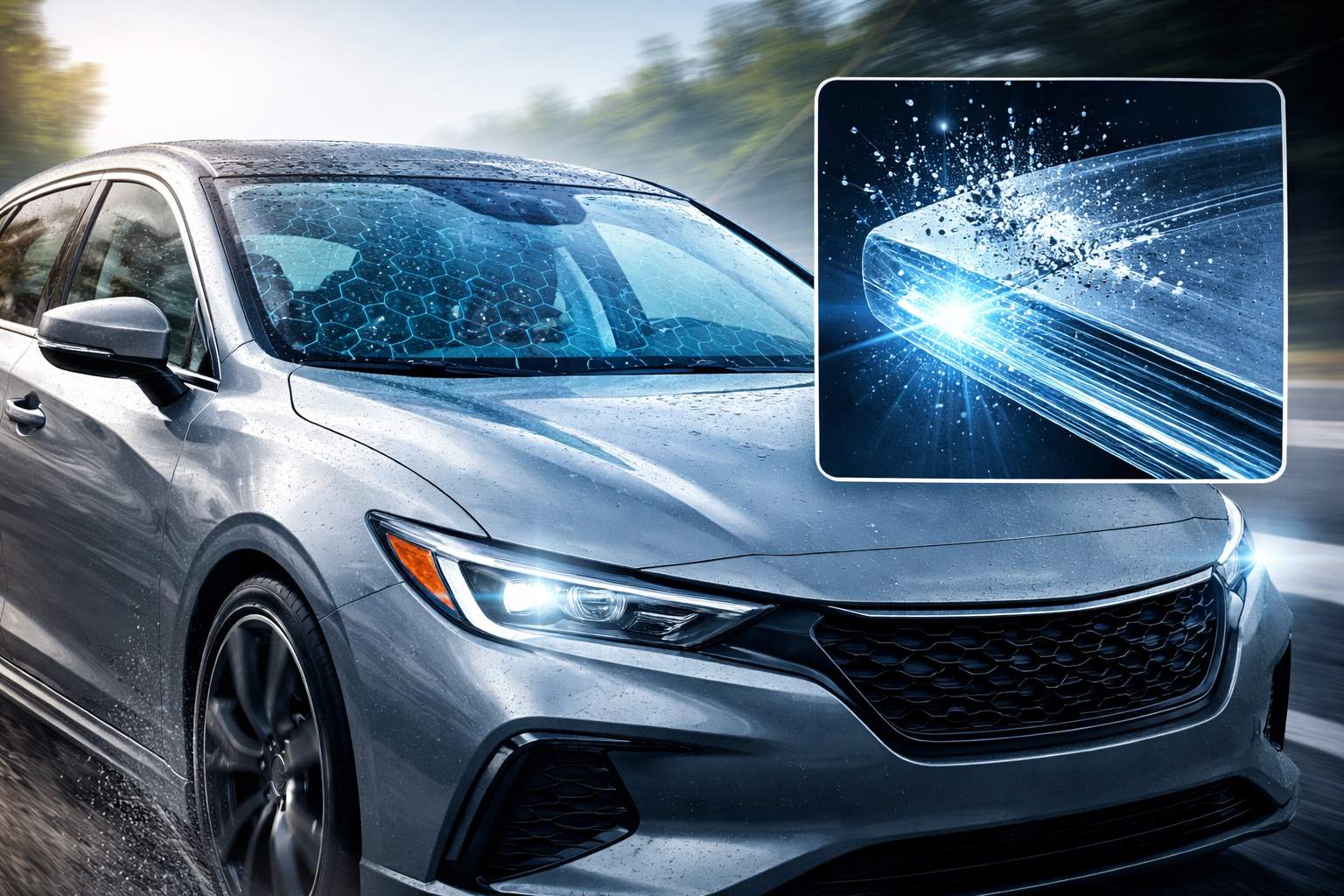
Modern cars use advanced design, high speed, and smart technology. These changes increase the need for strong and reliable glass solutions. Car glass no longer acts as a simple barrier. It now supports safety, comfort, and performance. This article explains why modern cars require more durable glass solutions and how these solutions improve vehicle function.
The Role of Glass in Modern Cars
Modern cars use glass in many areas. Windshields, side windows, rear windows, and sunroofs all depend on glass. Each part serves a clear purpose. The windshield protects drivers from wind, dust, and debris. Side windows allow visibility and airflow. Rear windows support safe reversing.
Glass also supports vehicle structure. It adds strength to the car body. It helps maintain shape during movement and impact. Modern cars rely on glass as a key component, not just a covering.
Increased Speed and Road Conditions
Modern cars operate at higher speeds than older vehicles. High speed increases the force of impact from small objects like stones. Weak glass can crack or shatter under pressure. Durable glass solutions reduce this risk.
Road conditions also affect glass strength. Construction zones, rough roads, and loose gravel increase damage chances. Strong glass resists chips and cracks. It helps drivers stay safe in all driving conditions.
Safety Standards and Regulations
Modern cars must meet strict safety rules. Governments and safety organizations set these rules. Car manufacturers must follow them to protect drivers and passengers.
Glass plays a major role in safety tests. Windshields must stay intact during accidents, and laminated glass prevents sharp shards from spreading. Tempered glass breaks into small, less harmful pieces to reduce injury risk. In addition to structural strength, modern vehicles also rely on advanced tinting solutions that improve visibility, reduce glare, and block harmful UV rays, which supports both safety and comfort. High-performance films, such as those offered by OC Tint Solutions, enhance glass durability while maintaining clear vision for drivers in different lighting conditions.
Advanced Driver Assistance Systems (ADAS)
Modern cars use advanced driver assistance systems. These systems rely on sensors and cameras. Many sensors sit behind the windshield.
Clear and strong glass ensures proper sensor function. Any distortion in glass can affect camera accuracy. Durable glass solutions maintain clarity and shape. This support helps systems like lane assist, automatic braking, and adaptive cruise control work correctly.
Impact of Environmental Factors
Weather affects car glass every day. Heat, cold, rain, and dust all create stress. Sudden temperature changes can cause cracks. For example, cold weather followed by direct sunlight can weaken glass.
Modern cars need glass that can handle these changes. Durable glass solutions resist expansion and contraction. They maintain strength in all climates. This feature is important for long-term performance.
Noise Reduction and Comfort
Modern cars aim to provide a quiet and smooth ride. Glass plays a role in reducing outside noise. Laminated glass blocks sound from traffic and wind.
Durable glass solutions improve insulation. They reduce vibration and noise levels. This creates a calm environment inside the car. Drivers and passengers experience better comfort during travel.
Fuel Efficiency and Aerodynamics
Modern cars focus on fuel efficiency. Car design aims to reduce air resistance. Glass shape and fit affect airflow.
Strong and precisely designed glass supports smooth aerodynamics. It reduces drag and improves fuel use. Durable glass solutions help maintain shape over time. They prevent warping or damage that could affect airflow.
Protection Against Theft and Damage
Car glass must protect against theft attempts. Weak glass breaks easily and allows quick access. Strong glass increases security.
Modern cars use reinforced glass to prevent easy break-ins. Laminated glass stays intact even after impact. Durable glass solutions add an extra layer of protection. This reduces theft risk and increases vehicle safety.
Integration with Smart Features
Modern cars include smart features like heads-up displays and rain sensors. These features depend on high-quality glass.
Heads-up displays project information onto the windshield. Clear and durable glass ensures accurate display. Rain sensors detect water on the surface. Proper glass condition allows correct sensor response.
Glass solutions must support these technologies. Durable materials ensure long-term use without distortion or failure.
Cost Efficiency Over Time
Durable glass solutions may cost more at first. However, they reduce repair and replacement costs. Strong glass resists damage and lasts longer.
Frequent glass repair can become expensive. Cracks can spread if not fixed early. Durable glass reduces these issues. It provides better value over time.
Manufacturing and Material Improvements
Car manufacturers use improved materials for glass production. They combine layers of glass with special films. This process increases strength and flexibility.
Modern glass solutions include coatings that resist scratches and UV rays. These coatings protect both the glass and passengers. Durable glass solutions result from better design and advanced materials.
Importance of Proper Installation
Glass performance depends on correct installation. Poor installation can weaken even strong glass. Gaps or uneven fitting can cause stress points.
Modern cars require precise installation methods. Technicians use special tools and adhesives. Proper fitting ensures durability and safety. Glass solutions must include both strong material and correct placement.
Future Trends in Automotive Glass
Modern cars continue to evolve. Future vehicles will use more glass in design. Large windshields and panoramic roofs are becoming common.
Electric vehicles also use advanced glass solutions. These vehicles require better insulation and strength. Future glass may include smart tinting and energy control features.
Durable glass solutions will remain essential. They will support safety, technology, and efficiency in modern cars.
Conclusion
Modern cars require more durable glass solutions due to increased speed, advanced technology, and strict safety standards. Glass now supports many functions beyond basic protection. It plays a role in safety, comfort, and performance.
Strong and reliable glass helps modern cars meet current demands. It protects passengers, supports smart systems, and improves driving experience. Durable glass solutions are no longer optional. They are a key part of every modern vehicle.








 People Speak