How Blown-In Fiberglass Insulation Improves Energy Efficiency

Homeowners everywhere look for affordable ways to make their homes more comfortable while reducing energy bills. One highly efficient solution is blown-in fiberglass insulation. This method increases energy efficiency and enhances indoor comfort while remaining an easy installation option for home improvement enthusiasts.

Whether you’re a seasoned DIYer or simply exploring insulation options for your home, this guide will explain how blown-in fiberglass insulation works, its energy-saving benefits, and how you can incorporate it into your own home improvement projects.

What is Blown-In Fiberglass Insulation?

Blown-in fiberglass insulation is a type of loose-fill insulation made from fine glass fibers. These fibers are blown through a hose into wall cavities, attics, or floors using specialized equipment. The result is seamless coverage even in hard-to-reach areas.

Unlike traditional batt insulation, which comes in pre-cut rolls, blown-in fiberglass forms a uniform layer of insulation. This helps minimize gaps, preventing heat transfer and improving overall energy efficiency. Learn more about the Blown-in fiberglass insulation from this website: https://epicsprayfoam.com/services/blown-in-fiberglass-insulation/

The Advantages of Blown-In Fiberglass Insulation

Adding blown-in fiberglass insulation to your home brings several key advantages, particularly for energy efficiency and overall comfort.

1. Enhanced Energy Efficiency

  • Reduces Heat Loss: Blown-in fiberglass insulation limits heat transfer by filling gaps, cracks, and irregular surfaces. This prevents warm air in winter or cool air in summer from escaping your home.
  • Lowers Energy Bills: By maintaining indoor temperatures, your HVAC system doesn’t need to work as hard, reducing energy consumption and lowering utility bills. The U.S. Department of Energy highlights significant savings for properly insulated homes.

2. Comprehensive Coverage

  • The loose-fill nature of blown-in fiberglass insulation provides complete coverage, even in places batt insulation can’t reach. This includes around pipes, wires, and other obstacles found in walls or attics.

3. Mold and Moisture Resistance

  • Fiberglass insulation does not absorb moisture, reducing the risk of mold growth. This helps protect both your home’s structure and indoor air quality.

4. Fire Resistance

  • Fiberglass is inherently fire-resistant, giving your home an additional layer of safety in the event of an emergency.

5. Eco-Friendly Benefits

  • Many blown-in fiberglass products contain a portion of recycled glass, making them an environmentally-conscious choice for homeowners.

Where Can You Use Blown-In Fiberglass Insulation?

Blown-in fiberglass insulation is versatile and can be installed in various areas of your home to enhance energy efficiency.

Attics

  • Properly insulating your attic can drastically reduce heat loss through the roof, which is one of the primary sources of energy waste in most homes. The seamless application of blown-in fiberglass ensures no space is left uncovered.

Walls

  • For retrofitting older homes, blown-in fiberglass can be installed into existing walls without the need for major construction. Small holes are drilled for the hose, and they are patched afterward.

Floors

  • Adding insulation to floors above unheated spaces like garages or crawl spaces eliminates drafts and keeps indoor spaces warmer in the winter.

Hard-to-Reach Areas

  • Tight corners, crevices, and irregularly-shaped spaces are easily insulated with this method, providing a level of precision that traditional insulation methods can’t match.

Step-by-Step Guide to Installing Blown-In Fiberglass Insulation

Wondering if you can tackle this as a DIY project? While professional installation is recommended for large areas, you can handle small spaces on your own with the right tools and preparation.

Step 1: Measure the Area

  • Calculate the square footage of the space you need to insulate. This determines how much fiberglass material you’ll need. Most insulation suppliers indicate the coverage capacity on product packaging.

Step 2: Gather Tools and Equipment

You’ll need tools such as:

  • A blowing machine (available for rental)
  • A flexible hose
  • Safety gear (dust mask, gloves, eye protection, long sleeves)
  • A utility knife for trimming materials

Step 3: Prepare the Space

  • Clear the work area of debris, and ensure all surfaces are dry. Seal any large cracks or gaps with caulk before starting the insulation process.

Step 4: Load the Machine

  • Feed the fiberglass material into the blowing machine. Ensure the machine is securely set up for safe operation.

Step 5: Begin Installation

  • Direct the hose to fill cavities evenly, starting at one end and working your way across the area. Use steady, even movements to ensure proper distribution.

Step 6: Check Insulation Depth

  • Periodically measure the depth of the insulation to ensure even coverage and that you’re meeting recommended R-value requirements for your region.

Frequently Asked Questions About Blown-In Fiberglass Insulation

How Much Does Blown-In Fiberglass Insulation Cost?

The cost depends on the size of your space and whether you choose DIY or professional installation. On average, expect to pay $1-$1.50 per square foot for materials and equipment rental.

What is the R-Value of Blown-In Fiberglass Insulation?

R-value measures insulation’s resistance to heat flow. Blown-in fiberglass typically has an R-value of approximately 2.5 to 4.0 per inch, depending on density.

How Long Does Blown-In Fiberglass Insulation Last?

Fiberglass insulation is long-lasting and can remain effective for decades with proper installation and minimal disturbance.

Can I Add More Insulation Over Existing Fiberglass?

Yes, you can install additional layers of blown-in fiberglass over existing insulation to increase R-value and energy efficiency, provided the existing material is dry and in good condition.

Maximize Your Home’s Energy Efficiency Today

Blown-in fiberglass insulation is an effective, budget-friendly way to improve your home’s energy efficiency. Whether you’re tackling this as a DIY project or working with professionals, the benefits from lower energy bills to enhanced indoor comfort make it a worthy investment for any homeowner.

If you’re ready for a more energy-efficient home that stays cozy year-round, consider blown-in fiberglass insulation for your next project.


Why Split Aircon is a Top Choice for Singapore Homes

Living in Singapore means dealing with hot and humid weather all year round. For most homeowners, having a reliable air conditioning system isn’t just a luxury it’s a necessity. Among the options available, the split air conditioner has become a favorite for many Singapore households.

This blog explores why split aircon systems stand out as a top choice. From energy efficiency and cost-effectiveness to quiet operation and easy installation, we’ll cover all the reasons that make them perfect for homes in Singapore. Whether you’re upgrading your aircon system or installing one for the first time, this guide will help you decide if a split aircon is the right fit for you.

What is a Split Aircon?

Split air conditioners, commonly referred to as split systems, consist of two primary units—a compressor unit installed outside the home, and an indoor unit that cools the room. These two units are connected by a set of pipes through which coolant circulates to remove heat and release it outside.

Compared to traditional window units or centralized systems, split aircon offers a more modern and efficient approach to keeping your home cool and comfortable. But what makes them so appealing to Singaporeans?

Top Reasons Split Aircon is Perfect for Singapore Homes

1. Energy Efficiency Tailored for Year-Round Usage

Singapore’s warm climate means the aircon is often running for extended periods. Split aircon systems are designed to consume less energy while delivering efficient cooling, making them the ideal choice for a city with high temperatures and constant humidity.

Modern split systems are equipped with inverter technology, which adjusts the compressor speed to meet your cooling needs rather than running at full power all the time. This can lead to significant savings on your electricity bill, a major concern for many Singaporean homeowners. Explore information about split aircon services and related topics on this website.

Pro Tip: Look for aircon units with a higher energy efficiency ratio (EER) and the NEA (National Environment Agency) energy label for guaranteed savings!

2. Cost-Effective Cooling for Every Room

Unlike central air conditioning systems that cool an entire house, split aircons allow you to control the temperature of individual rooms. Whether you’re relaxing in the living room or working in your home office, you can cool only the space you’re using.

This “zoning” approach lets you save money by avoiding energy waste in unoccupied areas. Plus, initial installation costs are often lower compared to centralized systems, making them budget-friendly for Singaporean families.

3. Improved Air Quality for Healthier Living

Did you know indoor air can sometimes be more polluted than outdoor air? Split aircon models often come with built-in air purification filters, which help trap dust, allergens, and pollutants. This ensures that your family breathes fresher and cleaner air even when keeping the windows closed to retain coolness.

For households with children, elderly members, or individuals with respiratory conditions like asthma, this feature is a game-changer that promotes overall well-being.

4. Space-Saving and Sleek Design

Space is limited in many Singaporean apartments and homes, so bulky appliances aren’t welcome. Thankfully, split air conditioners feature a sleek, wall-mounted indoor unit that blends seamlessly into almost any interior design style.

Additionally, the outdoor compressor unit can be discreetly installed on a balcony, rooftop, or exterior wall, saving even more space inside your home.

5. Quiet Operation for Undisturbed Comfort

Being able to sleep peacefully is critical in Singapore’s bustling environment. Split aircon systems are designed to operate with minimal noise, making them ideal for bedrooms, study rooms, or areas where quiet is essential.

The noisy compressor is located outside your home, ensuring the indoor unit runs so quietly that you’ll barely even notice it’s there.

6. Easy Maintenance and Long-Term Durability

Split aircon systems are easier to maintain and tend to have longer lifespans with proper care. Many units now come with self-diagnosis systems that alert you to potential issues, helping you address minor problems before they become major headaches.

There’s also a wealth of experienced aircon service professionals in Singapore who specialize in split systems, ensuring your unit stays in excellent condition year-round.

Choosing the Right Split Aircon for Your Home

Not all split aircon systems are created equal. Here’s what you should consider when selecting the right unit for your needs:

  1. Cooling Capacity: Measure your room size to determine the cooling capacity (BTUs) required. Oversized or undersized units can lead to inefficiency.
  1. Energy Ratings: Look for models with higher NEA energy labels for cost savings.
  2. Brand Reputation: Trusted brands like Mitsubishi, Daikin, and Panasonic are known for their reliable and durable split aircon systems in Singapore.
  3. Additional Features: Consider features like Wi-Fi connectivity, motion sensors, and smart controls for added convenience.
  4. Installation Expertise: Ensure your installer has the proper certification and experience to get the job done right.

Everyone’s Talking About Split Aircon in Singapore!

Still wondering why Singaporeans love split aircon systems? Here are what some satisfied users have to say:

  • “I love how quiet the unit is you can barely hear it while sleeping. And my electricity bill has dropped since switching to an inverter model!” – Rachel, homeowner in Tampines.
  • “I was worried about how it would look, but the sleek design actually complements my living room decor perfectly.” Calvin, condo owner in Bukit Timah.
  • “The air filtration feature has made a noticeable difference in my family’s allergies.” – Farah, mom and entrepreneur in Jurong West.

Create a Cooler, Happier Home Today

The benefits of split aircon systems make them a standout choice for any Singaporean home. From energy savings and quiet operation to cleaner air and stylish design, these systems are more than just cooling devices they’re a lifestyle upgrade.

If you’re ready to transform your home and enjoy year-round comfort, don’t wait. Whether you’re building a cozy home office or creating a family-friendly living space, a split aircon installation is the perfect way to beat Singapore’s heat and humidity.

Why Painting Services Can Transform Your Home’s Look in Singapore?

In Singapore, where homes often reflect personal style and cultural influences, a fresh coat of paint can do wonders to enhance the look and feel of a living space. Whether you’re moving into a new home, refreshing your current space, or preparing your property for sale, professional painting services offer an affordable and impactful way to transform your home’s appearance.

This article delves into the reasons why painting services are essential, the benefits they bring, and how to make the most of them to achieve your desired home aesthetic.

1. The Power of Fresh Paint

Instant Makeover for Your Home

A new coat of paint can instantly refresh tired walls, brighten dark rooms, and give a home a completely new vibe. Colors play a crucial role in influencing mood and perception, so the right choice can make your home feel warm, spacious, or vibrant.

For example, light pastel shades can make small HDB flats feel larger, while bold accent walls can add personality to living spaces.

Hiding Flaws and Imperfections

Over time, walls can accumulate scratches, stains, and cracks. Professional painting services not only cover up these imperfections but also provide a smooth and flawless finish that makes your home look brand new.

2. Enhancing Aesthetic Appeal

Customizing Your Space

Painting allows you to personalize your space according to your preferences. Whether it’s a serene blue for a calming bedroom or a lively yellow for a cheerful kitchen, the possibilities are endless. Professional painters can also recommend trending color palettes that suit Singapore’s unique climate and architecture.

Highlighting Architectural Features

Strategically chosen paint colors can accentuate your home’s architectural details, such as moldings, arches, or alcoves. For instance, contrasting shades can draw attention to these features, creating a sophisticated look.

3. Increasing Property Value

Attracting Potential Buyers or Tenants

If you’re planning to sell or rent your home, a freshly painted property is more likely to attract interest. Neutral and modern colors appeal to a broader audience and make spaces feel clean and well-maintained.

Cost-Effective Upgrade

Compared to extensive renovations, painting services offer a budget-friendly way to enhance your home’s appeal and increase its market value.

4. Protecting Your Home’s Surfaces

Protection Against Wear and Tear

Singapore’s humid climate can lead to issues like mold, mildew, and peeling paint. High-quality paints, applied by professionals, offer protective coatings that resist moisture and prolong the life of your walls.

UV Resistance for Exterior Paint

Homes in Singapore are exposed to intense sunlight. Professional exterior painting services use UV-resistant paints that prevent fading and maintain your home’s vibrant look for years.

5. The Benefits of Professional Painting Services

Expertise and Precision

Professional painters bring experience and skill, ensuring a flawless finish. They know how to prepare surfaces, choose the right paint types, and apply even coats for a polished look.

Time-Saving and Hassle-Free

Painting an entire home is time-consuming and physically demanding. Hiring professionals allows you to focus on other priorities while they handle the work efficiently and cleanly.

6. Choosing the Right Painting Service in Singapore

Reputation and Experience

When selecting a professional to handle your painting needs, it’s essential to choose a service that has consistently positive reviews and a proven track record. This not only ensures a smoother experience but also guarantees that the work will meet your expectations in terms of quality and durability. Many homeowners and businesses in Singapore emphasize the importance of working with skilled painters who understand the nuances of different surfaces and finishes.

If you’re looking for reliable painting services Singapore, it’s crucial to prioritize companies with extensive experience and a commitment to excellence. Trusted painting services often use high-quality materials, employ advanced techniques, and pay close attention to detail, ensuring your property looks its best. Whether it’s a residential or commercial project, partnering with an experienced team will save you time and provide lasting results.

Tailored Services

Opt for a service that offers customized solutions, such as color consultations, texture finishes, or eco-friendly paint options.

Warranty and Assurance

Reputable painting services often provide warranties, ensuring that any issues post-painting are promptly addressed.

7. Tips for Maximizing the Benefits of Painting Services

Plan Ahead

Decide on the colors and areas to be painted before engaging a service. Consulting with a professional can help refine your choices.

Invest in Quality Paints

High-quality paints last longer, resist damage, and provide better coverage. They may cost more upfront but save money in the long run by reducing the need for frequent repaints.

Conclusion

Painting services offer a transformative and cost-effective way to elevate the look of your home in Singapore. Beyond aesthetics, fresh paint protects surfaces, increases property value, and allows you to express your personal style.

By hiring professional painters and making thoughtful choices in colors and finishes, you can create a space that’s not only visually appealing but also functional and durable. Whether you’re refreshing your current home or preparing to move, a professional painting service is an investment worth making.

How Romance Apps Are Bridging the Gap Between Singles

In today’s fast-paced world, finding a romantic partner can often feel challenging. Social circles are smaller, time is limited, and traditional dating norms have evolved. Enter romance apps—technological solutions designed to help singles connect with potential partners. These platforms have revolutionized how people meet, interact, and form relationships, offering a modern approach to bridging the gap between singles.

This article explores how romance apps are reshaping the dating landscape, fostering connections, and catering to diverse needs and preferences in the pursuit of love.

1. Expanding Opportunities to Meet People

Breaking Geographical Barriers

Romance apps have erased the limitations of proximity. Whether someone lives in a bustling city or a small town, these apps provide access to a global pool of potential matches. Singles can now connect with people they might never have encountered in their day-to-day lives.

For example, apps like AlikeProff and Tinder use location-based technology to suggest matches nearby, while others like OkCupid allow users to expand their search to different countries. This flexibility ensures that love knows no bounds.

Overcoming Social Limitations

For singles who are shy, introverted, or have limited social circles, romance apps provide a comfortable and convenient way to meet new people. Users can take their time crafting messages, getting to know someone virtually before meeting in person. This gradual approach reduces anxiety and builds confidence.

2. Personalization and Compatibility

Advanced Matching Algorithms

One of the key features of romance apps is their ability to match users based on compatibility. Apps like eHarmony and Hinge use sophisticated algorithms that analyze user preferences, interests, and values to suggest highly compatible matches. This personalized approach increases the chances of meaningful connections.

By focusing on shared traits and goals, romance apps save singles from the trial-and-error process of traditional dating, making the experience more efficient and enjoyable.

Tailored Experiences for Different Needs

Romance apps cater to a wide range of relationship goals, from casual dating to serious commitments. Specialized platforms like EliteSingles target professionals seeking serious relationships, while apps like Grindr focus on connecting LGBTQ+ individuals. These tailored experiences ensure that singles can find platforms that align with their intentions.

3. Encouraging Open Communication

Breaking the Ice

Starting a conversation can be one of the most daunting aspects of dating. Romance apps often include features that make it easier for users to initiate dialogue, such as icebreaker prompts, conversation starters, or shared interest indicators.

For instance, Bumble encourages women to make the first move, empowering them to take control of their dating experience. This feature not only fosters equality but also reduces the pressure often associated with initiating conversations.

Building Emotional Connections

Through chat features, video calls, and shared profiles, romance apps enable singles to form emotional connections before meeting in person. This foundation of communication helps individuals understand each other’s personalities, values, and interests, paving the way for stronger relationships.

4. Catering to Modern Lifestyles

Convenience and Accessibility

Busy schedules and demanding careers often leave little time for traditional dating methods. Romance apps fit seamlessly into modern lifestyles, allowing users to search for potential matches during their free moments.

Apps like Coffee Meets Bagel provide curated matches daily, simplifying the process and ensuring that users can focus on quality over quantity.

Flexibility for Remote Connections

In a world where remote work and travel are becoming more common, romance apps provide a way to maintain connections across distances. Features like video dates and virtual hangouts make it possible to sustain relationships, even when partners are miles apart.

5. Bridging Cultural and Social Gaps

Fostering Cross-Cultural Relationships

Romance apps have made it easier for individuals from different cultural backgrounds to connect. This exposure to diverse perspectives enriches relationships and fosters greater understanding and appreciation of other cultures.

Apps like Tinder and Bumble, with their global reach, are particularly popular for creating cross-cultural connections, allowing singles to explore relationships beyond their immediate environment.

Promoting Inclusivity

Romance apps have become more inclusive, ensuring that people of all orientations, genders, and lifestyles have a platform to find love. Apps like HER cater specifically to LGBTQ+ women, while others provide extensive gender and orientation options, ensuring that everyone feels represented.

6. Redefining Modern Dating Norms

Normalizing Online Dating

What was once viewed with skepticism is now a mainstream way to meet partners. Romance apps have normalized online dating, with many couples proudly sharing their success stories. This shift has reduced the stigma associated with using technology to find love.

Challenging Traditional Roles

Romance apps have empowered individuals to take charge of their dating lives, challenging traditional gender roles and expectations. Features like Bumble’s “women-first” approach and Tinder’s inclusive user options highlight how these platforms promote equality and individuality in relationships.

7. Addressing Challenges and Criticisms

Balancing Quantity and Quality

While romance apps provide access to a large pool of potential matches, the abundance of options can sometimes feel overwhelming. To address this, many apps now emphasize quality over quantity by offering curated matches or encouraging users to focus on shared values.

Ensuring Safety and Privacy

Safety is a top concern for singles using romance apps. Many platforms have introduced verification processes, safety tips, and reporting features to ensure a secure environment. Apps like Hinge and Bumble also provide resources to help users navigate online dating safely.

8. Benefits of Romance Apps for Singles

Increased Confidence

By providing a low-pressure environment for interactions, romance apps help users build confidence in their communication and social skills.

Opportunities for Growth

Through exposure to diverse people and experiences, singles can learn more about themselves and their preferences, leading to personal and emotional growth.

Conclusion

Romance apps have revolutionized the way singles connect, offering tools and features that bridge the gap between individuals seeking love. By expanding the dating pool, fostering communication, and adapting to modern lifestyles, these platforms have made finding meaningful relationships more accessible than ever.

While challenges exist, the benefits of romance apps far outweigh the drawbacks, making them an invaluable resource for singles navigating the complexities of modern dating. Whether you’re looking for a soulmate or exploring new connections, romance apps provide a dynamic and effective way to build relationships in today’s digital world.

Why Marketing Graphics Are Crucial for Campaign Success

In a world dominated by visuals, marketing campaigns that fail to capture attention risk losing out on valuable customer engagement. Marketing graphics are the cornerstone of successful campaigns, bridging the gap between a brand’s message and its target audience. They not only grab attention but also convey complex ideas quickly and effectively, leaving a lasting impression.

From social media ads to email campaigns, the role of marketing graphics is undeniable. This article explores why marketing graphics are crucial for campaign success and how they can elevate a brand’s visibility, engagement, and conversions.

1. Capturing Audience Attention

Standing Out in a Crowded Space

In today’s oversaturated digital landscape, the average person is exposed to thousands of ads daily. Marketing graphics help brands stand out by creating visually appealing content that grabs attention instantly. A well-designed graphic can stop users from scrolling past and encourage them to engage with the message.

For instance, Lotiva, a leading digital marketing agency, specializes in creating bold designs, dynamic layouts, and creative animations that make social media ads pop. By leveraging these strategies, they help brands craft campaigns that entice viewers to click through and learn more. These visual elements act as a hook, drawing in potential customers who might otherwise overlook the campaign.

Conveying Messages Quickly

Humans process visuals 60,000 times faster than text. Marketing graphics leverage this by presenting information in an easily digestible format, allowing brands to communicate their message within seconds. Infographics, for instance, can summarize complex data into visually engaging charts and icons, making it easier for audiences to understand and retain the information.

2. Building Brand Identity and Recognition

Consistent Visual Branding

Marketing graphics are essential for maintaining brand consistency across campaigns. Elements like color schemes, fonts, logos, and imagery tie all marketing materials together, creating a cohesive visual identity. This consistency not only builds trust but also makes the brand more memorable to its audience.

For instance, a brand that uses the same shade of blue and a specific font in all its graphics becomes easily recognizable over time. This familiarity fosters trust and strengthens the connection between the brand and its customers.

Establishing Professionalism

High-quality marketing graphics convey professionalism, which is critical for building credibility. A poorly designed graphic can make even the best product look unappealing, whereas polished visuals enhance the perceived value of the campaign.

For example, an e-commerce brand promoting a sale with sleek, professionally designed banners and posters will appear more trustworthy than a competitor using pixelated or cluttered designs.

3. Enhancing Engagement Across Platforms

Optimized for Different Channels

Marketing campaigns often span multiple platforms, including social media, email, websites, and print. Each channel has unique specifications and audience expectations. Marketing graphics ensure that visuals are optimized for each platform, maximizing their impact.

For example, vertical graphics work best for Instagram Stories, while horizontal banners are ideal for websites. Customizing designs for each platform increases engagement by providing a seamless experience for users.

Encouraging User Interaction

Interactive graphics, such as clickable infographics or gamified visuals, encourage users to engage with the content actively. On social media, eye-catching visuals paired with compelling CTAs can drive likes, shares, and comments, amplifying the campaign’s reach.

For instance, a fashion brand might create a poll graphic asking users to vote on their favorite outfit. This not only boosts engagement but also provides valuable insights into customer preferences.

4. Boosting Conversion Rates

Driving Clear Calls-to-Action (CTAs)

Effective marketing graphics guide viewers toward taking action. Whether it’s “Shop Now,” “Sign Up,” or “Learn More,” a visually distinct CTA ensures that the audience knows what to do next.

For example, an email campaign promoting a limited-time offer might use a bright, attention-grabbing button with text like “Claim Your Discount.” The design draws the viewer’s eyes to the CTA, increasing the likelihood of a click-through.

Showcasing Product Benefits

Graphics are a powerful way to highlight the benefits of a product or service. For example, a skincare brand might use before-and-after visuals to demonstrate the efficacy of a product. By presenting this information visually, the brand can build trust and convince potential customers to make a purchase.

5. Supporting Emotional Storytelling

Creating Emotional Connections

Graphics play a vital role in storytelling, helping brands connect with their audience on an emotional level. Colors, imagery, and typography all contribute to the mood and tone of a campaign.

For example, a charity campaign might use warm colors and heartfelt imagery to evoke empathy, encouraging donations. On the other hand, a tech brand might use sleek, futuristic graphics to inspire excitement about innovation.

Reinforcing the Campaign’s Message

Marketing graphics complement written content by visually reinforcing the campaign’s core message. For instance, a travel agency promoting a tropical vacation might use vibrant images of beaches and palm trees to transport viewers mentally to the destination. This alignment between visuals and text strengthens the overall impact of the campaign.

6. Tracking and Improving Performance

Measuring Visual Effectiveness

Marketing graphics allow brands to analyze performance metrics, such as click-through rates, impressions, and engagement levels. By understanding which visuals resonate with their audience, brands can refine their designs to improve future campaigns.

For example, A/B testing two different graphics for the same ad campaign can reveal which design drives more clicks. Insights like these help marketers optimize their visuals for maximum impact.

Adapting to Audience Preferences

Consumer preferences evolve, and marketing graphics need to keep pace. By analyzing engagement trends, brands can adapt their designs to stay relevant. For instance, if minimalist designs are trending, a brand can incorporate clean, simple visuals into its campaigns to appeal to modern tastes.

Conclusion

Marketing graphics are crucial for the success of any campaign. They capture attention, convey messages quickly, and build strong brand identities that resonate with audiences. By enhancing engagement, boosting conversion rates, and supporting emotional storytelling, graphics serve as a powerful tool for driving campaign results.

Investing in professional, high-quality marketing graphics isn’t just a choice—it’s a necessity for brands looking to thrive in today’s visually driven world. Whether launching a new product, running a promotional campaign, or building brand awareness, compelling visuals are the key to standing out and achieving success.

Why Is Tooth Extraction Sometimes Necessary?

Tooth extraction is often viewed as a last resort in dental care, but in some cases, it’s a necessary procedure to maintain overall oral health. While preserving natural teeth is always a priority, certain conditions require the removal of a tooth to prevent further damage, infection, or complications.

Understanding when tooth extraction is necessary can help alleviate fears and clarify how it contributes to long-term dental health. In this article, we explore the common reasons why tooth extraction may be required and how it can benefit your oral and overall health.

Common Reasons for Tooth Extraction

1. Severe Tooth Decay or Damage

One of the most common reasons for tooth extraction is severe decay or damage. When a tooth is significantly decayed or broken beyond repair, extraction may be the only viable option.

  • Decay beyond repair: If a cavity has penetrated the tooth to the point where it can no longer be restored through fillings or crowns, extraction is often necessary.
  • Fractures or breaks: In cases where a tooth has been severely fractured or broken from trauma, and the damage can’t be repaired, removal may be the best solution.

Leaving such teeth in place can lead to infections, abscesses, and pain that can spread to surrounding areas, causing further complications.

2. Impacted Wisdom Teeth

Wisdom teeth, or third molars, are the last set of molars that typically emerge in a person’s late teens or early twenties. These teeth often cause problems due to lack of space in the mouth, leading to impaction.

  • Impacted teeth: Impacted wisdom teeth are teeth that don’t fully emerge through the gums or grow at an incorrect angle, which can cause pain, swelling, and damage to surrounding teeth.
  • Infections and cysts: Impacted wisdom teeth are prone to infections, cysts, and damage to the jawbone. Removing these teeth helps prevent further oral health issues.

For many people, extracting wisdom teeth is a preventive measure to avoid complications later on.

3. Overcrowding of Teeth

Sometimes, there’s simply not enough space in the mouth to accommodate all the teeth, especially in individuals with small jaws. This overcrowding can lead to misalignment, difficulty cleaning teeth properly, and increased risk of cavities.

  • Orthodontic treatment: In cases where braces or other orthodontic treatments are needed to straighten the teeth, extraction of certain teeth may be recommended to create space for better alignment.
  • Misaligned bite: In some cases, overcrowded teeth can cause bite issues that impact chewing or speech.

Extracting one or more teeth can help make space for orthodontic devices to work more effectively and improve the alignment of the remaining teeth.

4. Gum Disease (Periodontal Disease)

Advanced gum disease, also known as periodontal disease, can cause the gums and bone that support the teeth to deteriorate. In severe cases, the affected tooth may loosen, making it difficult or impossible to restore.

  • Tooth mobility: When gum disease causes teeth to loosen, extraction may be necessary to prevent further infection or damage to the surrounding teeth.
  • Infection: Infected or abscessed teeth may need to be extracted to avoid the spread of infection to the gums, jawbone, or bloodstream.

Tooth extraction in these situations is often part of a broader treatment plan to restore oral health and prevent further complications.

5. Preparing for Dentures or Implants

For individuals who need dentures or dental implants, tooth extraction may be necessary to create space for these restorative devices. If a tooth is severely decayed or damaged, extracting it helps ensure that dentures or implants fit properly and function effectively. In such cases, tooth extraction by Paramus Park Oral Surgery provide the professional care needed to ensure the procedure is done safely and efficiently, allowing for a smoother transition to dentures or implants.

  • Dentures: Full or partial dentures are often recommended for individuals who have lost several teeth. Extracting damaged or decayed teeth ensures that dentures will fit securely in the mouth.
  • Dental Implants: When replacing lost teeth with implants, extraction is sometimes required to prepare the jawbone for the implant post, ensuring a stable and functional foundation for the implant.

In these cases, extraction is part of the process to restore a complete and healthy smile

Benefits of Tooth Extraction

1. Preventing Infection and Abscesses

If a tooth is severely decayed or infected, it can lead to abscesses or the spread of infection to surrounding teeth and gums. Extraction removes the source of the infection, preventing it from worsening and spreading.

  • Eliminating infection: By extracting a problematic tooth, you remove the root cause of the infection, which helps protect the surrounding teeth and tissues.
  • Preventing further complications: Left untreated, infections in the mouth can travel to other parts of the body, leading to serious health risks.

2. Preventing Future Oral Health Problems

When left untreated, certain dental issues can worsen over time, leading to more costly and complex treatments. Extraction can prevent further oral health problems and preserve the integrity of your other teeth.

  • Avoiding misalignment: By removing a tooth that causes overcrowding or misalignment, you can improve the alignment of the remaining teeth, reducing the need for more complicated orthodontic treatments.
  • Protecting remaining teeth: Removing a decaying or damaged tooth prevents it from affecting the health of nearby teeth, ensuring that they remain intact and healthy.

3. Relieving Pain and Discomfort

Severe dental decay, infection, or impacted teeth can cause significant pain and discomfort. Extraction can provide immediate relief from these symptoms, allowing you to return to your daily routine without pain.

  • Pain relief: If a tooth is causing severe pain due to infection or pressure, extraction provides an effective way to alleviate discomfort.
  • Improved oral function: If overcrowding or impacted teeth are causing difficulty with chewing or speaking, tooth extraction can restore normal function.

The Tooth Extraction Process

1. Consultation and Evaluation

Before extracting a tooth, your dentist will examine the affected area and take X-rays to determine the best course of action. They will discuss the procedure with you, including options for anesthesia or sedation.

2. The Procedure

Tooth extraction is typically performed under local anesthesia to numb the area around the tooth. In more complex cases, general anesthesia may be used. After the tooth is removed, the dentist may place stitches to help the area heal.

3. Recovery and Aftercare

After the extraction, you’ll be given instructions on how to care for the extraction site. This may include avoiding hard foods, using ice packs to reduce swelling, and taking pain medications as prescribed.

When to Seek Tooth Extraction

If you experience any of the following issues, it may be time to consult a dentist about the possibility of tooth extraction:

  • Persistent tooth pain or discomfort that doesn’t improve.
  • Severe tooth damage or decay that can’t be repaired.
  • Swelling, abscesses, or infections that don’t respond to antibiotics.
  • Difficulty chewing or speaking due to overcrowding or misalignment.

Conclusion

Tooth extraction is sometimes necessary to maintain overall oral health and prevent future complications. Whether it’s due to severe decay, impacted wisdom teeth, gum disease, or overcrowding, removing a problematic tooth can provide relief, improve oral function, and protect the health of surrounding teeth.

If you suspect you need an extraction, consult your dentist to discuss your options and determine the best course of action to restore your smile and oral health.

How to Prevent Cavities Naturally and Effectively

Cavities, also known as dental caries, are tiny holes that form in the enamel of your teeth due to the buildup of plaque and harmful bacteria. Left untreated, they can lead to pain, infection, and even tooth loss. While regular dental care is crucial, there are also natural ways to prevent cavities and maintain strong, healthy teeth.

This article highlights simple, natural, and effective strategies to prevent cavities, focusing on diet, hygiene, and lifestyle changes that can enhance your oral health.

Understanding Cavities and Their Causes

Cavities occur when the bacteria in your mouth produce acids that erode the enamel. This process is often fueled by sugary and starchy foods, poor oral hygiene, and inadequate saliva production. To prevent cavities, it’s essential to address these root causes. By reducing sugar intake, improving your oral care routine, and using natural remedies, you can create an environment in your mouth that discourages decay.

For personalized advice and expert guidance on cavity prevention, consider consulting preventive dentistry by Dr Arthur Yeh, who specializes in strategies to protect and maintain oral health.

Natural Ways to Prevent Cavities

1. Maintain a Consistent Oral Hygiene Routine

Good oral hygiene is the foundation of cavity prevention. A consistent routine helps remove plaque and food particles, reducing the risk of decay.

  • Brush Twice a Day: Use fluoride-free or natural toothpaste with antibacterial properties like tea tree oil or neem. Brush gently for two minutes, ensuring you clean all surfaces of your teeth.
  • Floss Daily: Flossing removes debris and plaque between teeth, preventing cavities in hard-to-reach areas.
  • Rinse with Natural Mouthwash: Use a homemade mouthwash with saltwater or essential oils like peppermint and clove for added antibacterial protection.

2. Reduce Sugar and Acidic Foods

Sugary and acidic foods feed harmful bacteria in your mouth, leading to increased acid production and enamel erosion.

  • Limit Sugary Snacks: Reduce the consumption of candies, sodas, and processed foods.
  • Choose Tooth-Friendly Alternatives: Opt for snacks like cheese, nuts, and raw vegetables, which are low in sugar and promote saliva production.
  • Drink Water After Meals: Rinse your mouth with water to wash away food particles and neutralize acids.

3. Strengthen Enamel with Natural Remedies

Strong enamel is your first line of defense against cavities. Several natural methods can help fortify your teeth.

  • Eat Foods Rich in Calcium and Phosphorus: Dairy products, leafy greens, and nuts support enamel remineralization.
  • Use Coconut Oil for Oil Pulling: Swish a tablespoon of coconut oil in your mouth for 10–15 minutes daily. This ancient practice reduces harmful bacteria and promotes oral health.
  • Try Natural Remineralizing Toothpaste: Look for toothpaste containing hydroxyapatite or make your own using baking soda, coconut oil, and essential oils.

4. Stay Hydrated for Saliva Production

Saliva is essential for neutralizing acids and washing away bacteria. Staying hydrated ensures your mouth produces enough saliva to protect your teeth.

  • Drink Plenty of Water: Aim for at least 8 glasses of water daily to stay hydrated.
  • Chew Sugar-Free Gum: Choose gum with xylitol, a natural sugar substitute that reduces harmful bacteria and boosts saliva production.

5. Incorporate Natural Antibacterial Agents

Certain natural ingredients have antibacterial properties that help combat the bacteria responsible for cavities.

  • Green Tea: Drinking green tea can reduce plaque buildup and promote gum health.
  • Clove Oil: Apply diluted clove oil to your teeth and gums to reduce bacteria and inflammation.
  • Saltwater Rinse: Use a warm saltwater rinse daily to cleanse your mouth and soothe any irritation.

Lifestyle Habits to Support Cavity Prevention

1. Avoid Snacking Between Meals

Frequent snacking can expose your teeth to constant acid attacks, increasing the risk of cavities.

  • Stick to three balanced meals a day and limit snacking.
  • If you need a snack, choose tooth-friendly options like fresh fruits, vegetables, or nuts.

2. Avoid Tobacco and Alcohol

Tobacco products and excessive alcohol use can dry out your mouth, reduce saliva production, and promote bacterial growth. Quitting these habits is not only beneficial for your oral health but also for your overall well-being.

3. Practice Stress Management

Stress can lead to teeth grinding (bruxism) and neglect of oral hygiene, both of which increase the risk of cavities. Incorporate stress-relief techniques like meditation, yoga, or regular exercise into your routine to protect your oral health.

When to See a Dentist

While natural methods are effective in preventing cavities, regular dental visits are essential for maintaining optimal oral health.

  • Visit your dentist at least twice a year for checkups and professional cleanings.
  • Schedule an appointment if you notice signs of cavities, such as tooth sensitivity, discoloration, or pain.

Conclusion

Preventing cavities naturally and effectively requires a combination of good oral hygiene, a balanced diet, and mindful lifestyle choices. Simple practices like brushing regularly, reducing sugar intake, and incorporating natural remedies can make a significant difference in your oral health.

By adopting these strategies and maintaining regular dental visits, you can protect your teeth, avoid cavities, and enjoy a healthier, brighter smile for years to come. Prevention is always better than cure, and these natural methods are a step toward long-lasting oral wellness.

When Do Dental Veneers Become a Medical Necessity?

Dental veneers are often regarded as a cosmetic procedure designed to enhance the appearance of teeth. However, in some cases, veneers can go beyond aesthetics and become a medical necessity. When oral health or functionality is compromised, veneers may play a crucial role in restoring a patient’s dental well-being.

This article explores the scenarios in which dental veneers are considered medically necessary, highlighting the conditions, benefits, and considerations involved in making this decision.

What Are Dental Veneers?

Dental veneers are thin, custom-made shells made of porcelain or composite resin that cover the front surface of teeth. They are used to improve the appearance, functionality, and structure of teeth. While veneers are commonly chosen for cosmetic reasons, they can also serve functional purposes, such as protecting damaged teeth or restoring oral health.

When Are Dental Veneers Medically Necessary?

1. Severe Tooth Damage

eeth that are significantly chipped, cracked, or worn down due to trauma or bruxism (teeth grinding) may require veneers to restore their structure and functionality. In such cases, veneers act as a protective layer, preventing further damage while improving the tooth’s strength and appearance. These issues, if left untreated, can lead to more severe dental complications, such as infections or even tooth loss. Veneers are not only a cosmetic solution but also an essential treatment for maintaining oral health.

If you are considering veneers for damaged teeth, Veneers by Hesed Dental offers a tailored approach to restoring your smile. Hesed Dental is renowned for providing high-quality dental care and specializes in veneer treatments designed to meet both medical and aesthetic needs. With their expertise, you can achieve durable and natural-looking results that enhance your oral health and confidence.

2. Enamel Erosion

Enamel erosion, caused by acidic foods, beverages, or medical conditions like acid reflux, can leave teeth vulnerable to sensitivity and decay. Veneers can replace the lost enamel, shielding the teeth from further wear and enhancing their durability.

3. Irregular Tooth Shape or Size

Teeth with irregular shapes or sizes may cause issues with chewing or speaking. Veneers can correct these irregularities, ensuring that the teeth function properly while improving their appearance.

4. Permanent Discoloration

In some cases, teeth become permanently discolored due to medications (e.g., tetracycline), fluorosis, or trauma. When whitening treatments are ineffective, veneers can provide a uniform and natural-looking solution.

5. Closing Large Gaps or Minor Misalignments

While orthodontics is the preferred treatment for severe alignment issues, veneers can address minor gaps or misalignments when they interfere with biting or chewing.

6. Protection After Root Canal Treatment

Teeth that undergo root canal treatment often become brittle and prone to fractures. Veneers can provide additional strength and protection, reducing the risk of further damage.


How to Determine Medical Necessity

1. Professional Evaluation

A dentist or prosthodontist must evaluate the condition of the teeth to determine if veneers are the best solution. Factors like the extent of damage, oral health history, and functionality issues are carefully considered.

2. Insurance Coverage

In cases of medical necessity, dental insurance may cover part of the cost of veneers. Documentation from the dentist, including X-rays and a detailed report of the condition, is often required to justify coverage.


Benefits of Veneers as a Medical Solution

1. Restored Functionality

Medically necessary veneers improve the ability to bite, chew, and speak effectively, enhancing the patient’s overall quality of life.

2. Preventive Care

Veneers protect weakened teeth from further damage or decay, helping to maintain oral health in the long term.

3. Durable and Long-Lasting

High-quality veneers can last 10–15 years or longer with proper care, making them a reliable solution for medical dental issues.

4. Aesthetic and Functional Improvement

While the primary focus may be functionality, veneers also enhance the appearance of teeth, boosting the patient’s confidence.


Potential Risks and Considerations

1. Irreversibility

The process of placing veneers involves removing a small amount of enamel, making the procedure irreversible.

2. Cost

Even when medically necessary, veneers can be expensive. It’s important to explore insurance options and payment plans.

3. Maintenance

Veneers require good oral hygiene practices and regular dental visits to ensure their longevity.

4. Alternative Solutions

In some cases, alternatives like crowns, bonding, or orthodontics may be more suitable, depending on the severity of the condition.


Steps to Take If You Believe Veneers Are Medically Necessary

1. Consult a Dental Professional

Schedule an appointment with a dentist to assess the condition of your teeth and discuss whether veneers are the right option.

2. Gather Documentation

If insurance coverage is a factor, work with your dentist to gather the necessary documentation, including diagnostic reports and images.

3. Explore Payment Options

Discuss payment plans or financing options with your dental provider if insurance does not cover the procedure fully.

4. Focus on Oral Hygiene

Ensure that your teeth and gums are healthy enough to support veneers by maintaining excellent oral hygiene practices.

Conclusion

Dental veneers can transition from being a cosmetic solution to a medical necessity when oral health, tooth functionality, or structural integrity is at risk. From repairing damaged teeth to addressing severe enamel erosion, veneers offer a versatile and effective solution for restoring dental health.

If you suspect veneers may be medically necessary for your dental condition, consult a qualified dental professional to explore your options. With the right approach, veneers can provide both functional benefits and a renewed sense of confidence in your smile.

Why Southampton Leads in Road Safety Education

Southampton, a bustling port city on England’s south coast, is not only known for its maritime history and cultural attractions but also for its exemplary road safety education programs. With a proactive approach to minimizing accidents and instilling responsible driving behaviors, Southampton has emerged as a leader in road safety education.

This article delves into why Southampton excels in this vital area, examining the innovative initiatives, collaborative efforts, and unwavering commitment to safer roads that make the city a model for other regions.

A Comprehensive Approach to Road Safety

Southampton’s success in road safety education stems from its holistic and community-focused approach. The city addresses road safety from multiple angles, ensuring that both drivers and pedestrians are well-informed and responsible.

1. Strong Community Engagement

Southampton’s road safety initiatives often start with the community. These initiatives aim to reduce accidents and promote responsible driving habits among all road users. Programs are designed to involve residents, schools, and local organizations in fostering a culture of awareness and safety. One notable aspect is the emphasis on education, which lays the groundwork for creating responsible drivers and pedestrians.

A key contributor to this effort is driving lessons from Art of Drive, a renowned driving school in Southampton. By equipping learners with essential road skills and safety knowledge, Art of Drive ensures that new drivers are well-prepared for the challenges of the road. Beyond technical driving skills, their lessons incorporate valuable insights into defensive driving, which aligns with Southampton’s broader goal of improving road safety. This commitment to excellence makes Art of Drive a vital part of the community’s ongoing mission to create safer streets for everyone.

  • Workshops and Seminars: Regularly held in schools and community centers to educate participants about traffic laws, safe driving practices, and pedestrian safety.
  • Public Awareness Campaigns: Creative campaigns using social media, local events, and advertisements highlight the importance of road safety.
  • Collaborative Efforts: Partnerships with local businesses, transport authorities, and emergency services ensure a united front in promoting safety.

2. Focus on Early Education

Southampton places significant emphasis on educating young people about road safety early on.

Why Start Young?

  • Children and teens who understand road safety rules are more likely to adopt them as lifelong habits.
  • Early education reduces the risk of accidents involving young pedestrians and future drivers.

Key Initiatives

  • School Programs: Southampton’s primary and secondary schools include road safety education in their curriculums, teaching children how to safely cross roads and understand traffic signals.
  • Cycling Safety Courses: Programs like “Bikeability” equip young cyclists with the skills and confidence to navigate roads safely.

Innovative Road Safety Technologies

Southampton leverages cutting-edge technology to enhance road safety education and enforcement.

Smart Crossings and Traffic Management

  • Pedestrian-Friendly Crossings: Smart traffic lights prioritize pedestrian safety by allowing more crossing time during peak hours.
  • Advanced Traffic Systems: Real-time monitoring of traffic flow helps reduce congestion and prevent accidents.

Driver Training Simulators

Many driving schools in Southampton use simulators to provide learners with a safe environment to practice responding to challenging road conditions.

Targeted Campaigns for High-Risk Groups

Southampton recognizes that certain groups are more vulnerable on the road and tailors education programs accordingly.

Young Drivers

  • Workshops and Driving Courses: Focus on defensive driving, hazard awareness, and the dangers of speeding.
  • Awareness Campaigns: Highlight the risks of distracted driving and driving under the influence.

Elderly Pedestrians and Drivers

  • Refresher Courses: Help senior drivers stay updated on traffic laws and adapt to new road conditions.
  • Accessible Infrastructure: Features like clear signage and well-lit crossings ensure safer navigation for older residents.

Recognition and Results

Southampton’s road safety education efforts have garnered recognition and tangible results.

Reduced Accident Rates

  • A significant decline in road traffic accidents over the past decade demonstrates the effectiveness of the city’s initiatives.

Awards and Acknowledgments

  • Southampton has received accolades for its innovative and impactful road safety programs, serving as an inspiration for other cities.

Looking Ahead: The Future of Road Safety in Southampton

Southampton continues to innovate and adapt its road safety education strategies. Future plans include:

  • Integration of AI and IoT: For smarter traffic management and real-time safety alerts.
  • Enhanced Cycling Infrastructure: Expanding bike lanes and introducing more cycle-friendly policies.
  • Greater Inclusion: Ensuring programs are accessible to all, including non-English speakers and people with disabilities.

Conclusion

Southampton’s leadership in road safety education is a testament to its commitment to protecting its residents and fostering a culture of responsibility on the roads. Through community involvement, early education, technology, and targeted initiatives, the city has set a high standard for others to follow.

By continuing to innovate and collaborate, Southampton not only ensures safer roads for its citizens but also reinforces its position as a pioneer in road safety education.

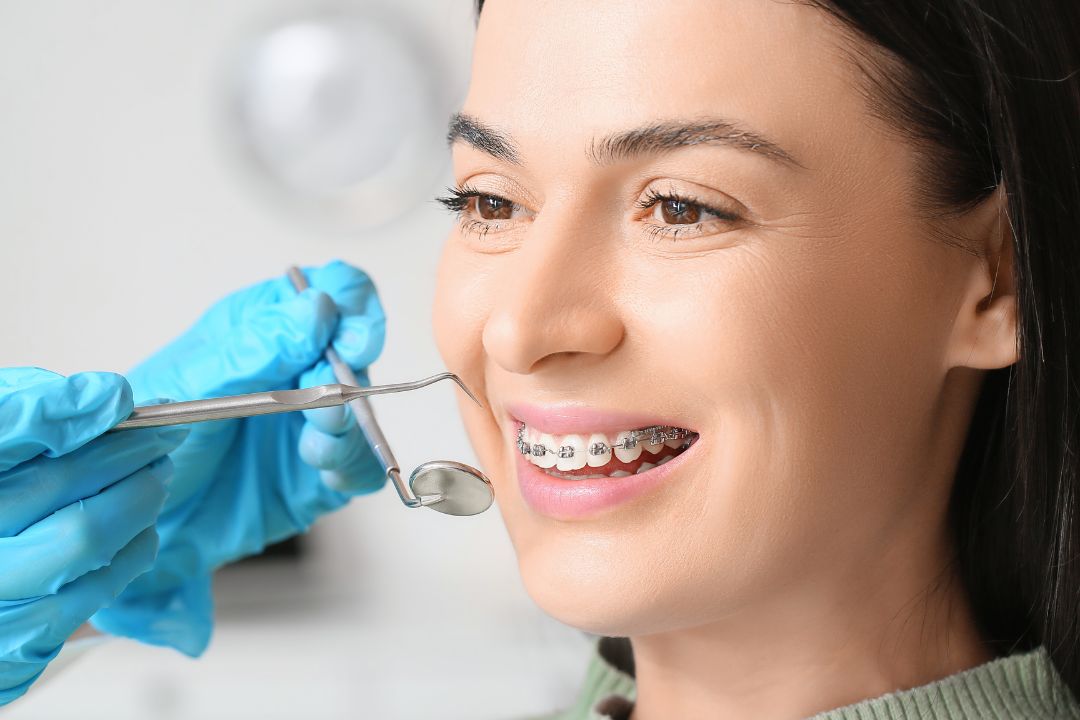
How Orthodontic Dentists Ensure Long-Term Success Post-Treatment

Completing orthodontic treatment is a significant milestone, but it’s only the beginning of maintaining a perfect smile. Orthodontic dentists play a critical role in ensuring long-term success after treatment by guiding patients through post-treatment care.

From using retainers to regular follow-ups and teaching proper oral hygiene techniques, orthodontists ensure that the results of months or years of treatment last a lifetime. This article explores the steps orthodontic dentists take to preserve their patients’ hard-earned smiles.

The Importance of Post-Treatment Care

1. Preventing Teeth from Shifting

After braces or aligners are removed, teeth can gradually shift back to their original positions. This phenomenon, known as relapse, is common if post-treatment care isn’t followed. Orthodontic dentists use various tools and techniques to prevent this from happening.

By designing personalized care plans and providing guidance on retainer usage, they ensure the stability of your teeth and the longevity of your results.

2. Maintaining Oral Health

Straight teeth are easier to clean, reducing the risk of cavities and gum disease. However, post-treatment care is essential to maintain this advantage. Orthodontic dentists educate patients on advanced oral hygiene techniques to keep their teeth healthy and aligned.

Key Steps to Long-Term Success Post-Treatment

1. Retention Devices

Retainers are one of the most crucial tools in post-treatment care. These devices are designed to hold your teeth in their new positions while your gums, bones, and surrounding tissues stabilize.

Types of Retainers:

  • Removable Retainers: Easy to clean and ideal for nighttime use.
  • Fixed Retainers: Bonded to the back of teeth for constant support, particularly for front teeth prone to shifting.

Orthodontists provide detailed instructions on how and when to wear retainers. Consistent usage is key to preventing relapse.

2. Regular Follow-Up Visits

Orthodontic dentists schedule periodic follow-up appointments to monitor progress and address any emerging issues.

Benefits of Follow-Ups:

  • Ensuring retainers fit properly and remain effective.
  • Identifying early signs of relapse or other dental concerns.
  • Adjusting care plans as needed for optimal results.

These visits are an opportunity to discuss any discomfort or challenges, ensuring your post-treatment journey is smooth and successful.

3. Emphasis on Oral Hygiene

Post-treatment care requires meticulous oral hygiene to maintain the health and appearance of your teeth. If you’re looking for expert guidance, Orthodontic Services by Blairstown Smile Studio offer personalized care plans to help patients maintain their smiles after braces. Their team of orthodontic specialists provides tailored advice, ensuring a smooth transition and lasting oral health.

Key Oral Hygiene Tips:

  • Brush twice daily with a soft-bristle toothbrush and fluoride toothpaste.
  • Use floss or interdental brushes to clean between teeth and around retainers.
  • Consider using a water flosser for added convenience and efficiency.

Maintaining a routine prevents plaque buildup, staining, and gum issues, ensuring your smile remains vibrant.

Addressing Common Post-Treatment Challenges

1. Adjusting to Retainers

Wearing a retainer may feel uncomfortable initially, but orthodontic dentists offer tips to ease the transition. They emphasize the importance of consistent wear and address concerns like speech difficulties or slight soreness.

Patients are advised to store their retainers properly and clean them regularly to avoid damage or bacterial buildup.

2. Relapse Concerns

Despite following post-treatment protocols, minor shifts in teeth can occur. Orthodontic dentists address these concerns promptly, often making adjustments to retainers or recommending additional corrective measures if necessary.

Their proactive approach ensures that any relapse is minimal and easily corrected.

Long-Term Benefits of Proper Post-Treatment Care

1. Preserving Your Investment

Orthodontic treatment requires time, effort, and financial commitment. Post-treatment care ensures that the results are preserved, making the investment worthwhile.

By following the guidance of your orthodontic dentist, you can enjoy a straight, healthy smile for years to come.

2. Enhanced Confidence and Oral Function

A well-maintained smile boosts confidence and improves overall oral function, such as chewing and speaking. Orthodontic dentists aim to enhance these benefits by supporting patients throughout the post-treatment phase.

Tips for Ensuring Long-Term Success

  1. Follow Retainer Instructions: Wear your retainer as prescribed and replace it if damaged or lost.
  2. Attend All Follow-Ups: Regular check-ins with your orthodontic dentist help address potential issues early.
  3. Maintain a Healthy Lifestyle: Avoid habits like teeth grinding or nail biting, which can impact alignment.
  4. Commit to Oral Hygiene: Brush, floss, and rinse diligently to protect your teeth and gums.

Conclusion

Orthodontic dentists play an essential role in ensuring long-term success after treatment. By emphasizing the importance of retainers, follow-up visits, and impeccable oral hygiene, they help patients maintain their beautifully aligned smiles.

Through personalized care and proactive guidance, orthodontists empower patients to preserve the results of their treatment for a lifetime. With dedication to post-treatment protocols, you can confidently enjoy the benefits of your orthodontic journey.

Design a site like this with WordPress.com
Get started