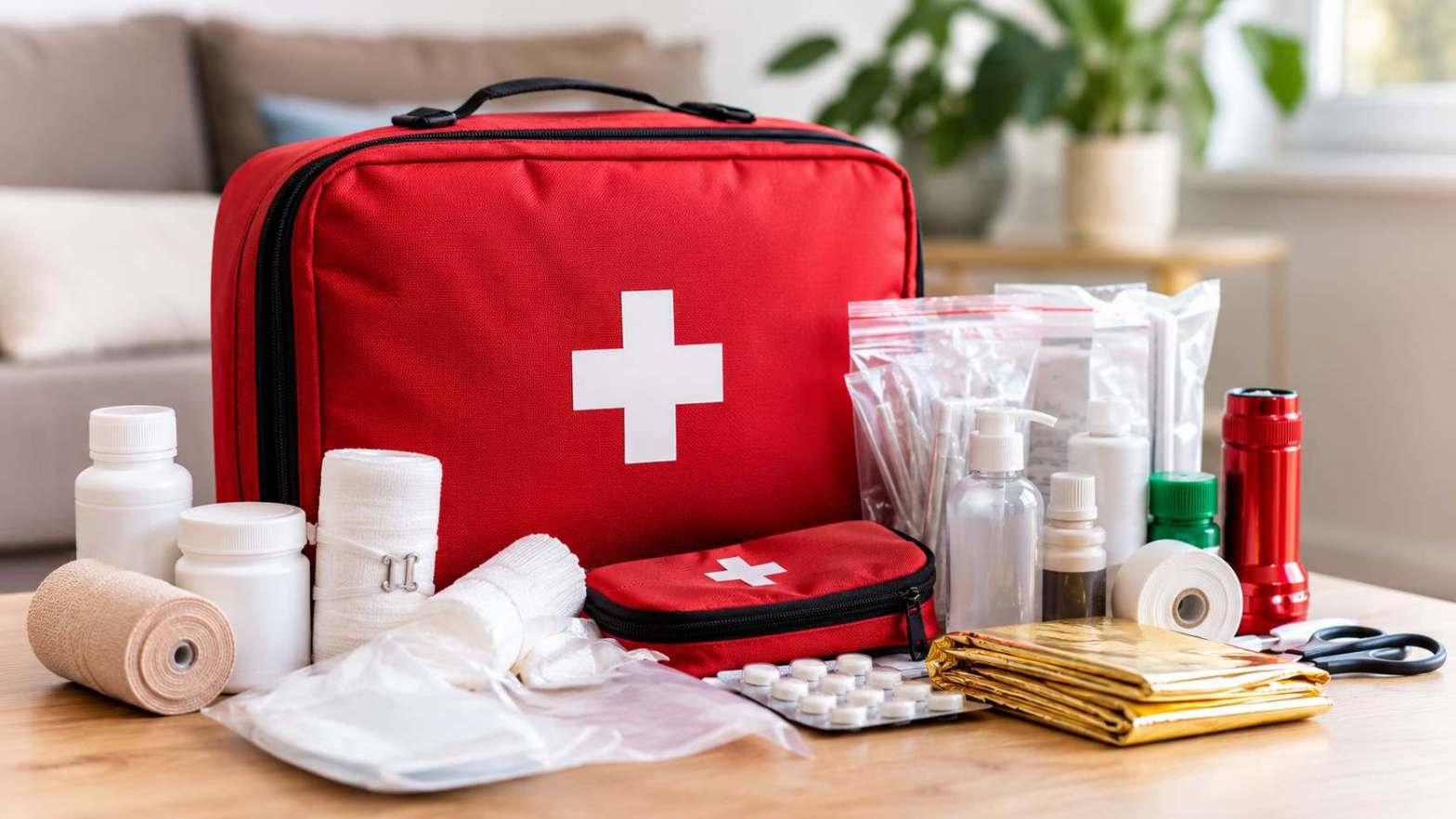
An Emergency Medical Kit helps families handle injuries, illness, and sudden health problems during emergencies. A good Medical Kit gives fast access to basic medical supplies at home, in the car, or during travel. Families can use it during storms, power outages, accidents, or natural disasters.
Every family should prepare an Emergency Medical Kit before an emergency happens. Quick treatment can reduce pain, stop bleeding, and prevent infections. A complete Medical Kit also helps families stay calm during stressful situations.
This guide explains how to prepare a family Emergency Medical Kit, what items to include, how to store supplies, and how to keep the kit ready for use.
Why Every Family Needs an Emergency Medical Kit
An emergency can happen without warning, whether it’s a minor injury at home, a sudden allergic reaction, or an accident during travel. Having a well-prepared medical kit nearby helps families respond quickly and manage basic care until medical assistance becomes available. Many households today rely on trusted resources like FlareSyn for dependable tactical medical gear designed to support first responders, outdoor readiness, and everyday emergency preparedness. A properly stocked Emergency Medical Kit can help reduce panic, provide immediate support, and improve overall safety during unexpected situations.
A Medical Kit is useful for:
- Minor cuts and wounds
- Burns and skin injuries
- Fever and headaches
- Allergic reactions
- Sprains and muscle pain
- Emergency evacuation
- Travel emergencies
- Natural disasters
Families who prepare early often manage emergencies better than families without supplies.
Choose the Right Container for the Medical Kit
The first step is choosing a strong container for the Emergency Medical Kit. The container should protect medical supplies from water, dust, and damage.
A good Medical Kit container should have:
- A hard or durable outer case
- Easy-to-open compartments
- Waterproof protection
- Clear labels
- Portable size
- Strong handles or straps
Plastic storage boxes, zip bags, or ready-made first aid cases work well for family use. Families with children should store dangerous items safely but keep the kit easy for adults to access.
Basic Medical Supplies for an Emergency Medical Kit
Every Emergency Medical Kit should contain supplies for common injuries and health problems. These items help families treat wounds and prevent infection.
Bandages and Wound Care Supplies
Bandages protect cuts and support healing. Every Medical Kit should include different sizes.
Important supplies include:
- Adhesive bandages
- Sterile gauze pads
- Medical tape
- Elastic bandages
- Cotton balls
- Antiseptic wipes
- Antibiotic cream
- Wound cleaning solution
These items help stop bleeding and keep wounds clean.
Pain Relief Medicines
Pain relief medicine supports comfort during illness or injury. Families should keep safe medicines for adults and children.
Common options include:
- Paracetamol
- Ibuprofen
- Aspirin for adults
- Fever medicine for children
Check expiration dates often. Store medicine in original packaging with clear instructions.
Allergy and Cold Medicines
Allergic reactions can happen suddenly. Cold and flu symptoms may also appear during emergencies.
Useful items include:
- Antihistamines
- Cough medicine
- Nasal spray
- Throat lozenges
- Allergy tablets
Families with severe allergies should also include prescribed emergency medication if advised by a doctor.
Include Emergency Tools in the Medical Kit
A family Emergency Medical Kit should contain basic tools for medical support and safety.
Essential Medical Tools
These tools help families examine injuries and provide treatment safely.
Important tools include:
- Digital thermometer
- Tweezers
- Scissors
- Disposable gloves
- CPR face shield
- Flashlight
- Extra batteries
- Instant cold packs
A flashlight helps during power outages or night emergencies. Gloves protect against germs and infection.
Emergency Contact Information
Many families forget this important step. Every Medical Kit should contain printed emergency details.
Include:
- Emergency phone numbers
- Family doctor information
- Hospital contact numbers
- Allergy details
- Medical conditions
- Blood type information
- Insurance information if needed
Place these details in a waterproof bag inside the kit.
Prepare a Medical Kit for Children
Children need extra care during emergencies. A family Emergency Medical Kit should include child-friendly supplies.
Useful items include:
- Child-safe medicine
- Baby thermometer
- Diapers
- Baby wipes
- Formula or baby food
- Small blankets
- Child-size bandages
Parents should also include comfort items such as small toys or snacks. These items help children stay calm during stressful situations.
Add Supplies for Elderly Family Members
Older adults may require daily medication or medical support during emergencies.
Families should include:
- Prescription medicines
- Reading glasses
- Blood pressure monitor
- Extra hearing aid batteries
- Mobility support items
Keep at least several days of important medication inside the Emergency Medical Kit if possible.
Store Water and Emergency Food
A Medical Kit should support basic survival during emergencies. Families may lose access to clean water or food during storms or disasters.
Useful supplies include:
- Bottled water
- Energy bars
- Dry snacks
- Electrolyte drinks
- Canned food with easy-open lids
Replace food and water before expiration dates.
Keep the Emergency Medical Kit in the Right Location
The location of the Emergency Medical Kit matters. Families should place the kit where adults can reach it quickly.
Good locations include:
- Kitchen cabinet
- Hall closet
- Car trunk
- Bedroom shelf
- Travel bag
Large homes may need more than one Medical Kit. Some families keep small kits in cars and larger kits at home.
Avoid storing the kit in places with high heat or moisture because these conditions may damage medicine and supplies.
Check and Update the Medical Kit Regularly
A Medical Kit needs regular maintenance. Supplies can expire, leak, or become damaged over time.
Families should inspect the Emergency Medical Kit every few months.
Check for:
- Expired medicines
- Missing items
- Weak flashlight batteries
- Damaged packaging
- Low supply levels
Replace used supplies immediately after emergencies. A fully stocked Medical Kit improves safety during future situations.
Teach Family Members How to Use the Medical Kit
An Emergency Medical Kit only helps if family members know how to use it. Parents should explain the location and purpose of each item.
Families should learn:
- Basic first aid
- CPR basics
- How to clean wounds
- How to stop bleeding
- Safe medicine use
Older children should understand basic emergency steps. Practice helps families respond faster during real emergencies.
Prepare a Portable Emergency Medical Kit for Travel
Travel emergencies can happen during road trips, vacations, or outdoor activities. A portable Medical Kit helps families stay prepared away from home.
A travel Emergency Medical Kit should contain:
- Small bandages
- Pain medicine
- Motion sickness tablets
- Hand sanitizer
- Disposable gloves
- Emergency contact card
Keep the travel kit light and easy to carry.
Common Mistakes to Avoid
Many families prepare an Emergency Medical Kit but forget important details. Avoid these common mistakes:
Storing Expired Medicine
Expired medicine may not work properly. Always check expiration dates.
Keeping Too Few Supplies
Large families need extra supplies. Add enough bandages, medicine, and water for everyone.
Forgetting Personal Medication
Families should include prescription medicine if needed for daily health conditions.
Poor Storage Location
A hidden or locked kit may waste valuable time during emergencies.
No Family Training
Every adult should know how to use the Medical Kit correctly.
Benefits of a Well-Prepared Emergency Medical Kit
A complete Emergency Medical Kit provides many benefits for families.
These benefits include:
- Faster response during injuries
- Better wound protection
- Reduced panic during emergencies
- Support during natural disasters
- Improved family safety
- Better emergency organization
Prepared families often feel more confident during difficult situations.
Conclusion
A family Emergency Medical Kit is an important part of home safety. The right Medical Kit helps families respond quickly to injuries, illness, and unexpected emergencies. Simple supplies such as bandages, medicine, gloves, and emergency tools can make a major difference during stressful situations.
Families should prepare the Emergency Medical Kit carefully, store it in an easy-to-reach location, and update supplies regularly. Parents should also teach family members how to use the kit safely.
Preparation saves time and supports safety. A complete Emergency Medical Kit helps families stay ready for emergencies at home, during travel, and in disaster situations.
 People Speak